Key Takeaways:
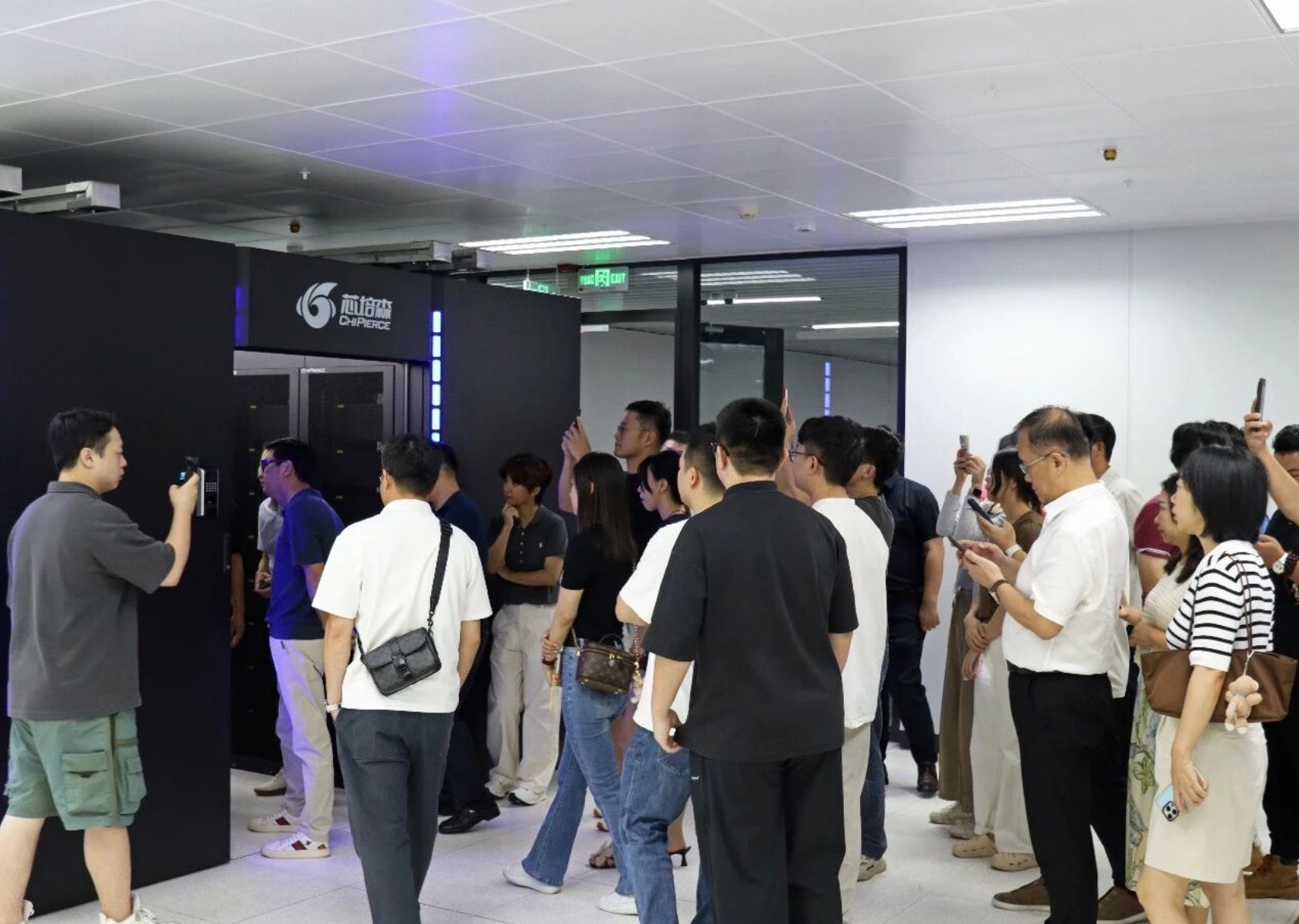
- On August 18, more than 30 representatives from investment institutions including China Securities, China Merchants Securities, Huachuang Securities, Zhengyuan Investment, and Taihe Investment visited the Hexi Atomic Intelligent Computing Center, a joint venture of Chipierce in Foshan.
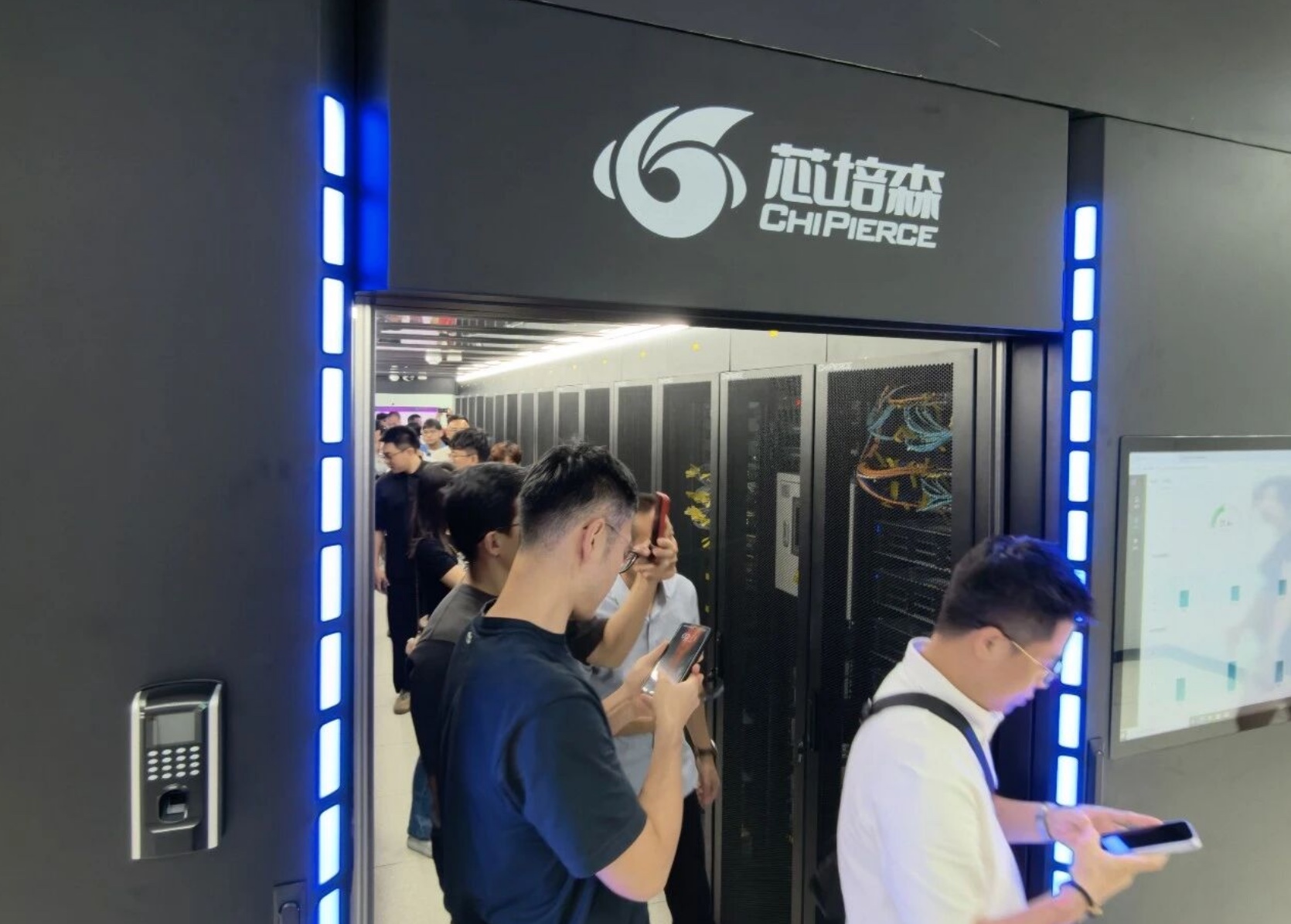
- The Hexi Atomic Intelligent Computing Center has completed the deployment of 100 Hexi servers, adopting Chipierce's self-developed APU acceleration technology for atomic-scale scientific computing such as density functional theory and molecular dynamics.
- Chipierce's trinity ecosystem comprises the MaterHaven super terminal, the MaterPlato intelligent agent, and the SwiftMater computing solution, covering a closed loop of computing hardware, AI assistance, and research services.
- Chipierce states that its APU solution accelerates atomic simulations by 1 to 3 orders of magnitude over CPU/GPU, reduces energy consumption by 2 to 3 orders of magnitude, and supports high-precision simulation of hundreds of millions of atoms.
- SwiftMater adopts a direct-operated model with a full-time master's and doctoral team, directly engaging university PIs and corporate R&D groups, supported by a three-tier quality control system and legal-grade compensation guarantees.
August 18, Foshan — The midsummer heat rises in step with the heat in the AI4M field.
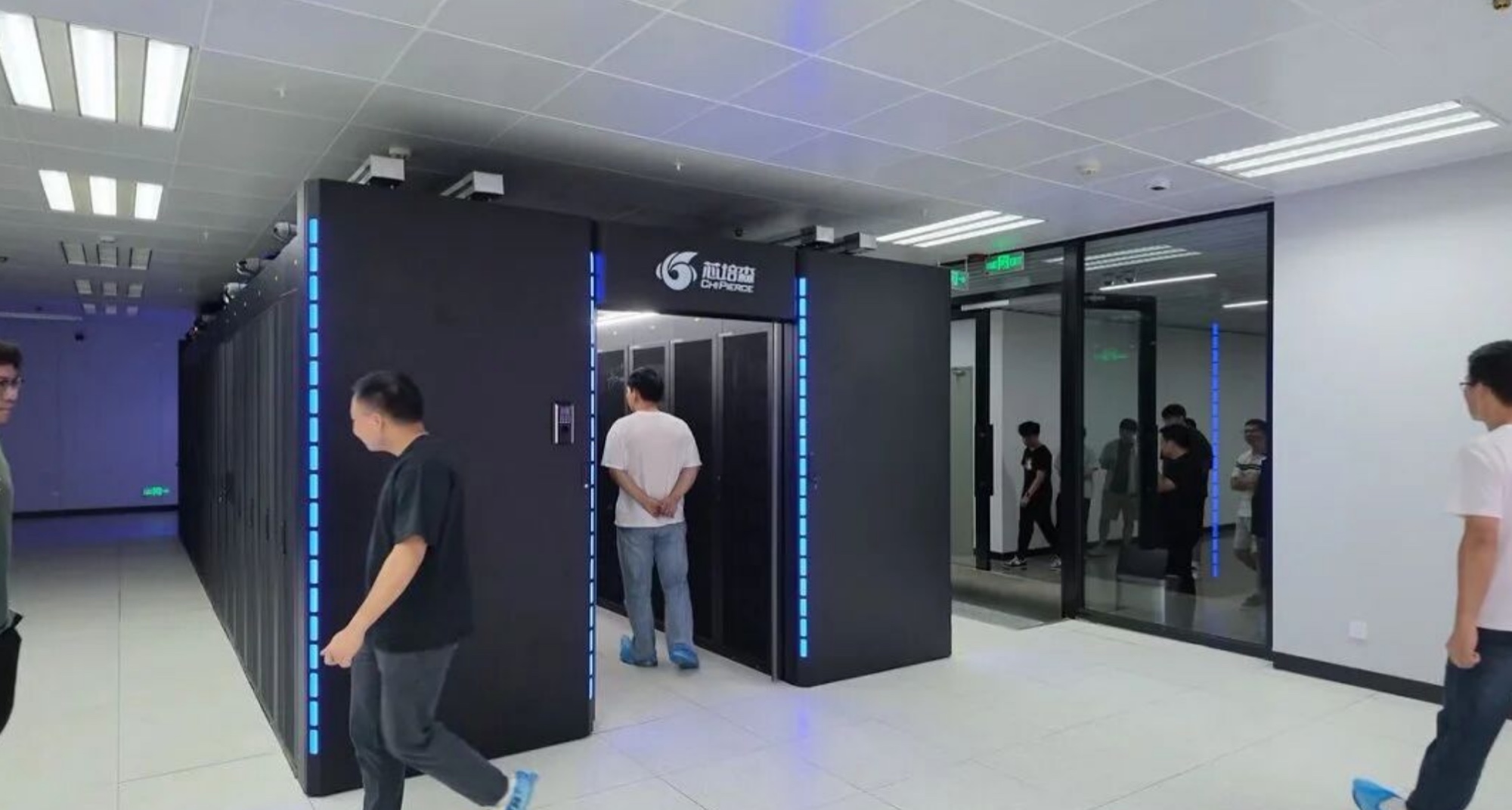
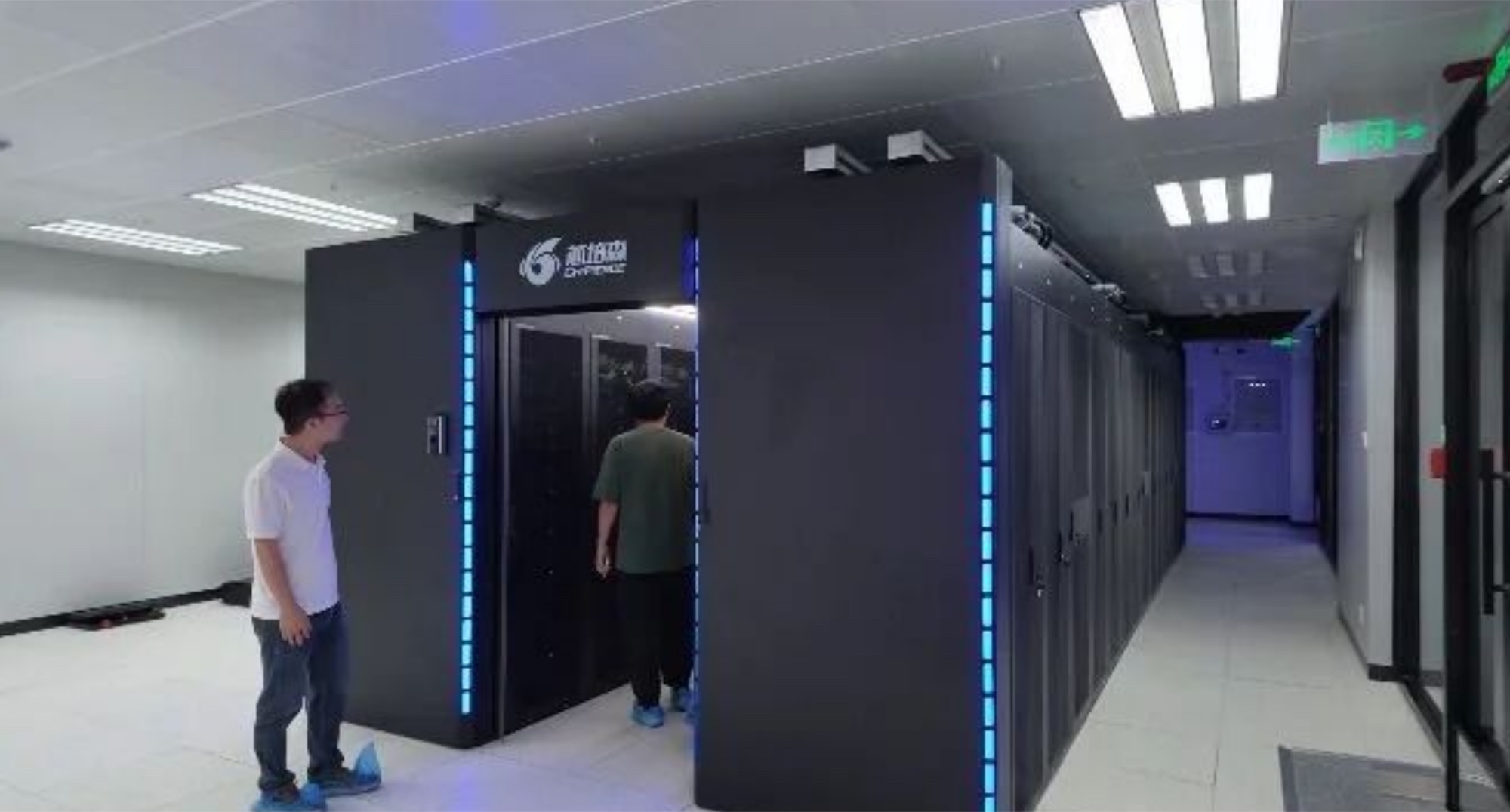
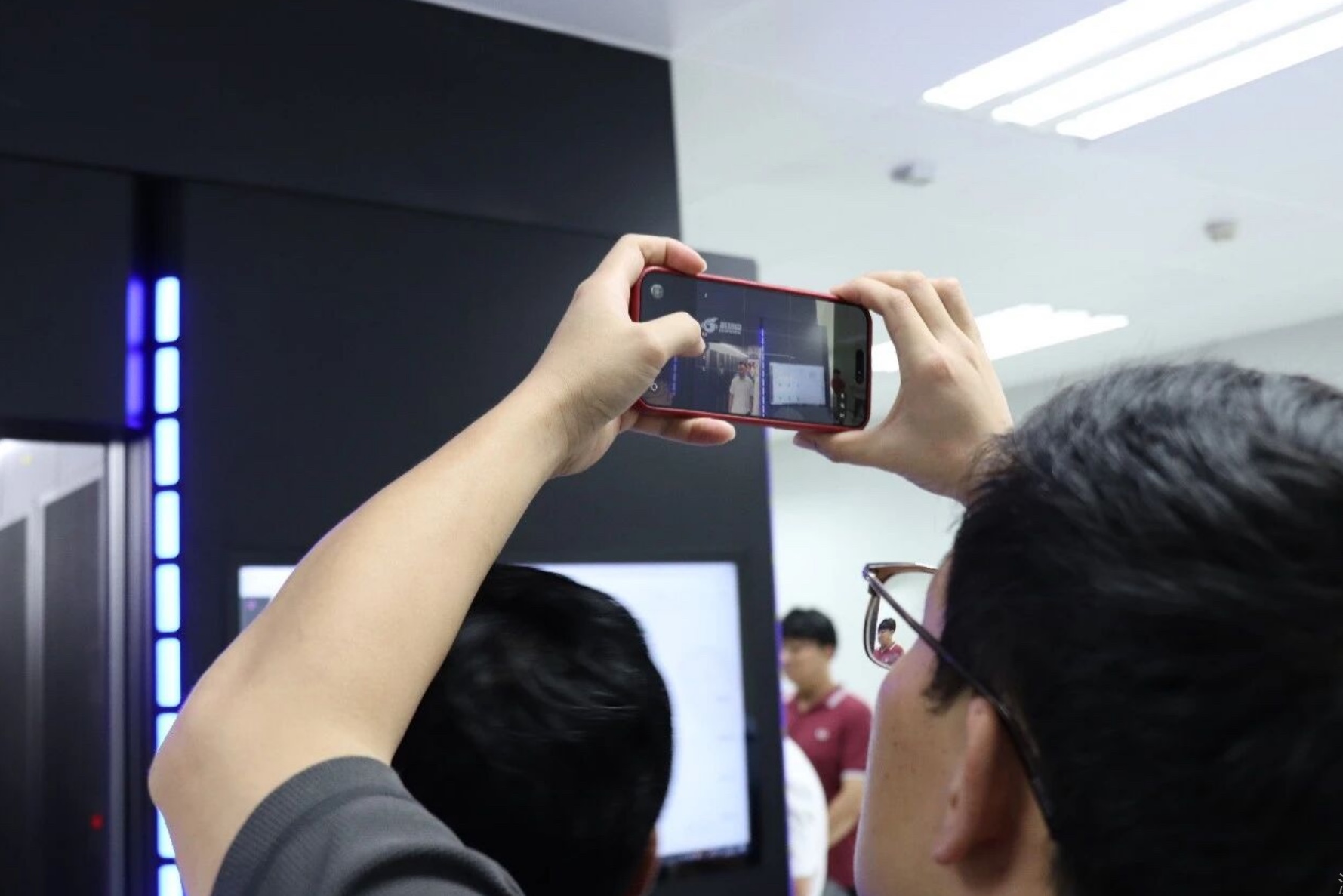
On this day, more than 30 representatives from investment institutions including CITIC Securities, China Merchants Securities, Huachuang Securities, Zhengyuan Investment, and Taihe Investment gathered at the Chipierce joint-venture Hexi Computing Center to tour this large-scale computing center dedicated to atomic-level scientific computing.
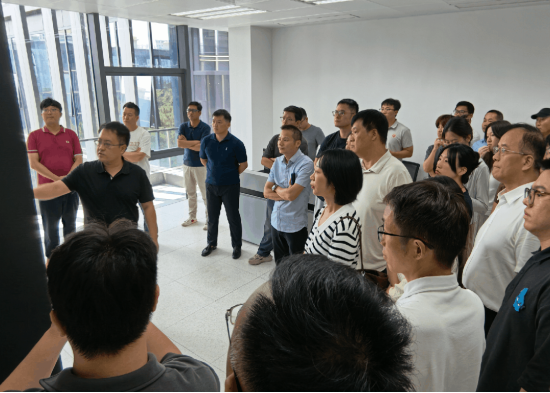
Mr. Fan Zhengwei, co-founder and General Manager of Chipierce, led the reception of the investor representatives and provided an in-depth briefing on Chipierce’s ternary integrated ecosystem strategy for materials R&D — “super terminal (MaterHaven) + intelligent agent (MaterPlato) + computing solutions (SwiftMater)” — comprehensively presenting the company’s technology roadmap and development plans in the AI4M field.
This visit was not merely a simple production-line tour, but rather a “technology parade” for the industry.
As computing hardware, AI agents, and research services form a closed loop, the old paradigm of materials R&D is being rewritten.
Chipierce joint-venture Hexi Computing Center — A large-scale computing foundation for atomic-level scientific computing
The Chipierce joint-venture Hexi Computing Center aims to support the AI for Science field through high-performance computing and accelerate breakthrough materials innovation in key areas.
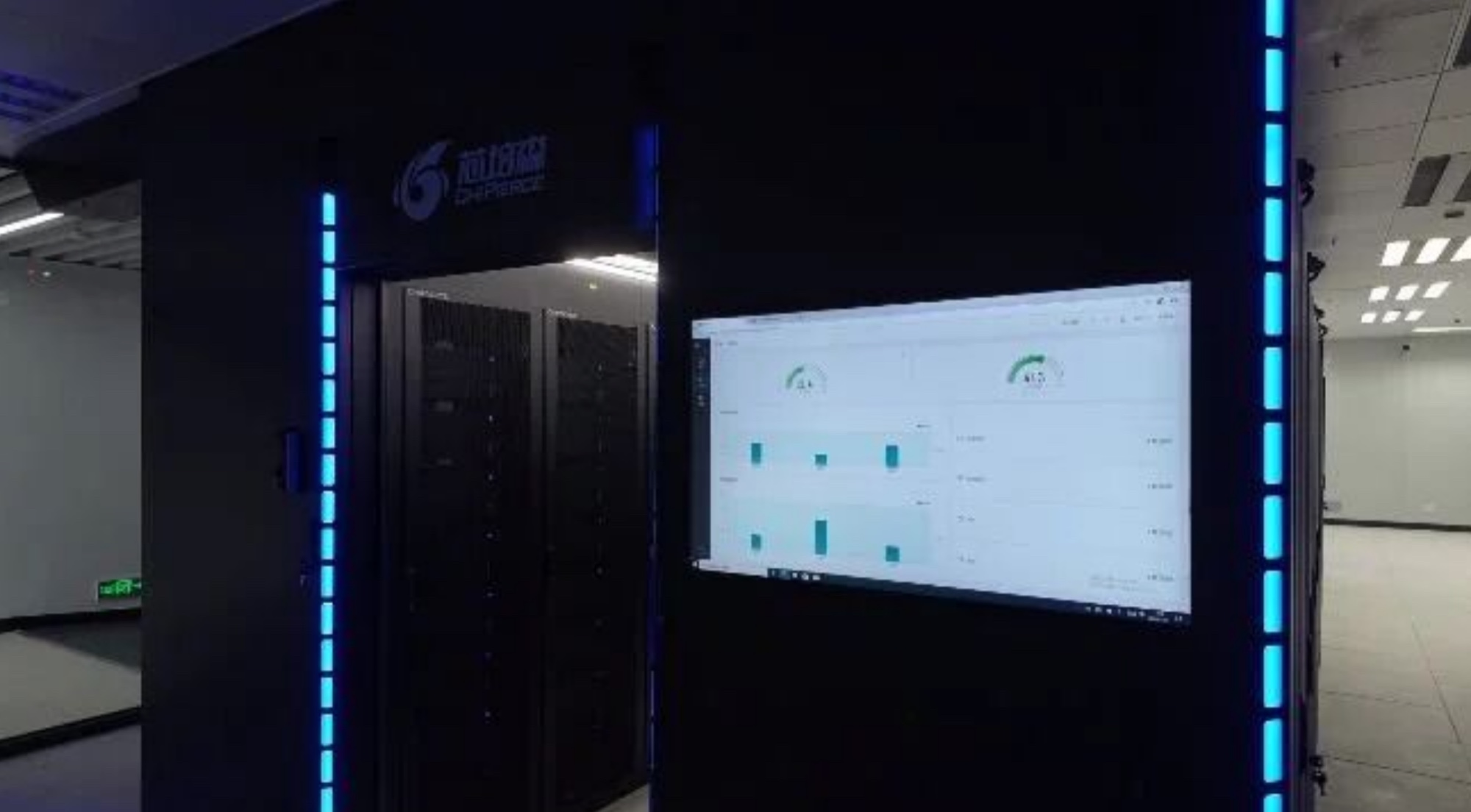
Currently, the Chipierce joint-venture Hexi Computing Center has completed the deployment of 100 Hexi servers, which will soon be officially put into operation.
These servers all adopt Chipierce’s self-developed APU acceleration technology, with high-speed computing capabilities for DFT and MD, primarily providing computing services for key materials R&D and high-quality computational data support for vertical AI models.
Chipierce “Ternary Integration” — A full-stack closed loop from computing hardware to research services
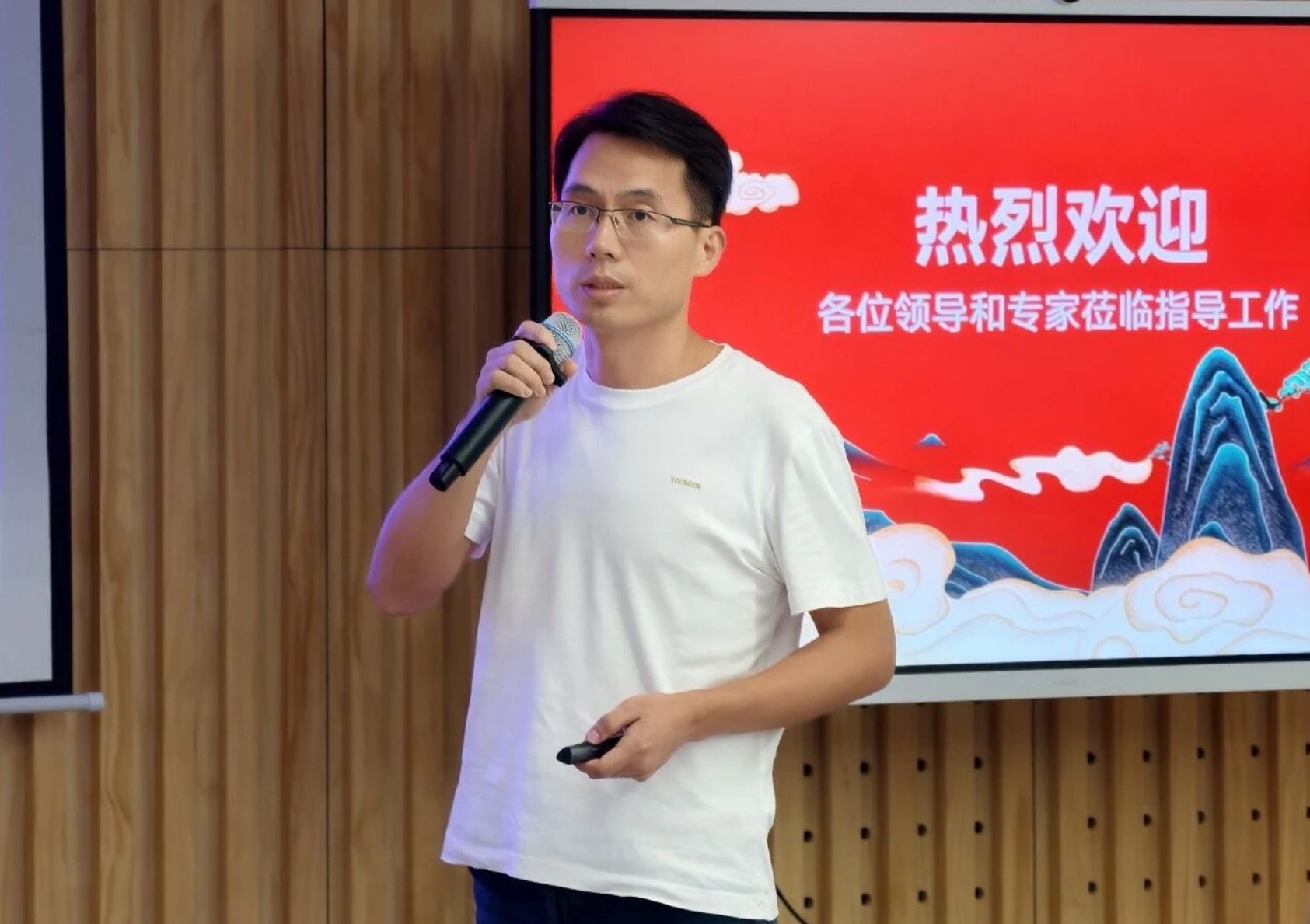
In the in-depth briefing that day, Mr. Fan Zhengwei, co-founder and General Manager of Chipierce, focused on elaborating Chipierce’s “Ternary Integration” ecosystem strategy.
Leading means of production — Chipierce · APU servers currently
Most computing service providers on the market rely on general-purpose GPU clusters, which cannot support calculations of large systems with hundreds of millions of atoms. Hardware lacks optimization for materials scenarios, computing utilization is low, and researchers are forced to shrink simulation systems, resulting in insufficient data support for papers.
Chipierce’s APU server solution starts from the underlying architecture, restructuring it specifically for atomic simulation computing to solve the memory wall bottleneck of general-purpose GPUs — when performing atomic science calculations such as MD and DFT, computing speed is improved by 1-3 orders of magnitude compared to CPU/GPU, while energy consumption is reduced by 2-3 orders of magnitude;
MLMD and DFT first-principles calculations are both substantially accelerated, and the comprehensive hardware cost for equivalent computing scale is greatly reduced!
More importantly, it supports tens of hours of uninterrupted high-precision simulation of hundreds of millions of atoms, achieving generational leadership from the underlying computing hardware.
Leap in production efficiency — Chipierce · MaterPlato
Traditional computational services involve fully manual modeling, parameter tuning, and troubleshooting throughout, with 70% of manpower consumed by repetitive mechanical operations. Intelligent assistance tools are lacking, and team energy is largely wasted on repetitive processes.
Chipierce’s approach is to use MaterPlato to assist the entire computational workflow, covering intelligent parameter optimization, automated modeling, error prediction, and assisted post-processing, with high parameter matching accuracy and significantly improved overall delivery efficiency.
Notably, MaterPlato can also continuously iterate and optimize based on real project data, forming a positive cycle of “computing power generates data, data trains models, models improve efficiency.”
Reconstruction of production relations — Chipierce · SwiftMater full-time directly-operated master’s and doctoral team
Currently, industry peers generally adopt a multi-layer subcontracting intermediary model, where delivery timelines cannot be guaranteed and complete computational traceability records are absent, making it impossible to ensure timely and accurate data results.
However, Chipierce has a rare industry-wide full-time on-site master’s and doctoral technical team that directly interfaces with university PIs and corporate R&D groups, eliminating all intermediary markup. With a three-tier quality control system plus legal-grade compensation guarantees, it reconstructs the industry’s outdated “intermediary subcontracting” production relations, making research computing consumption transparent, affordable, and reliable.
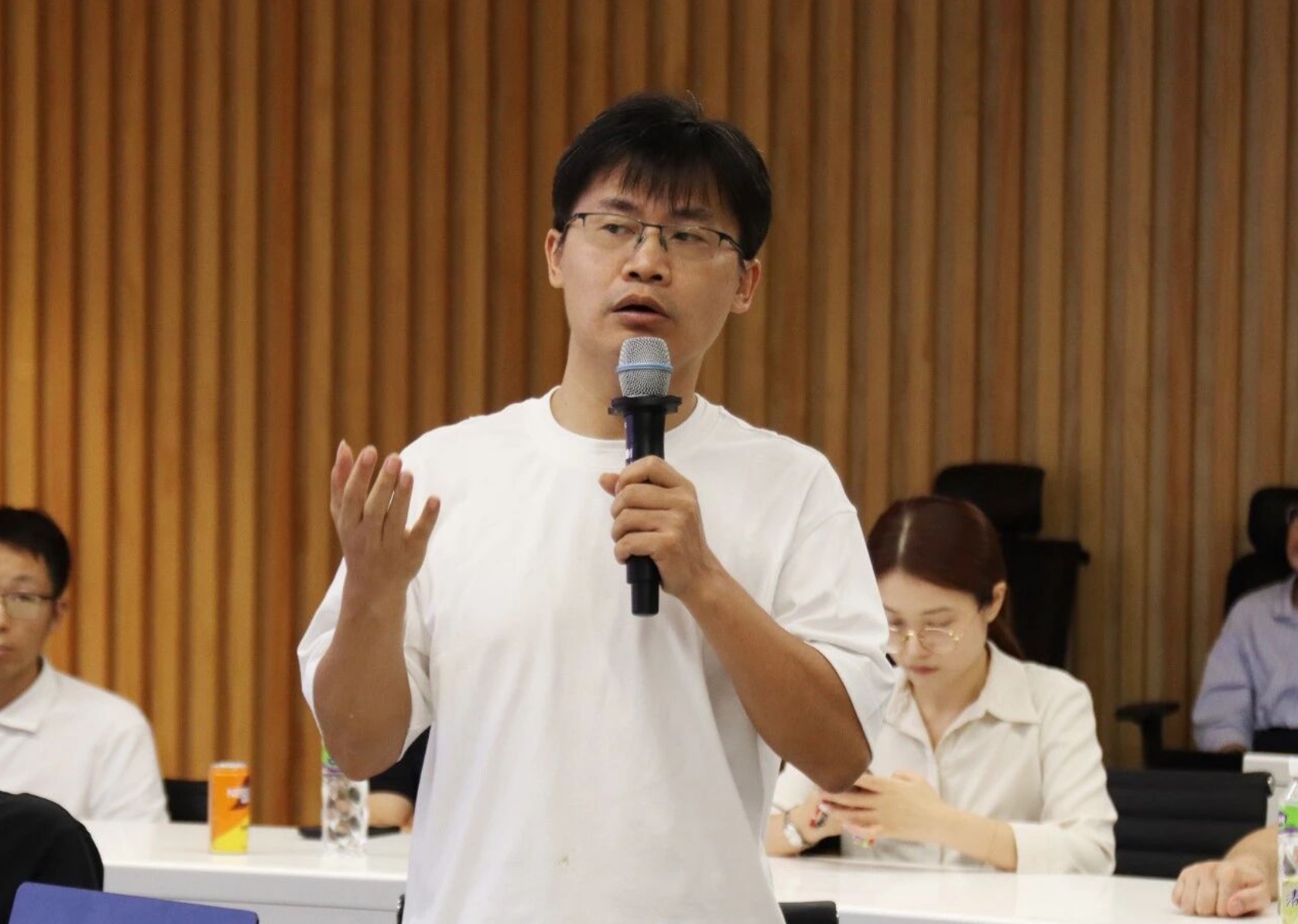
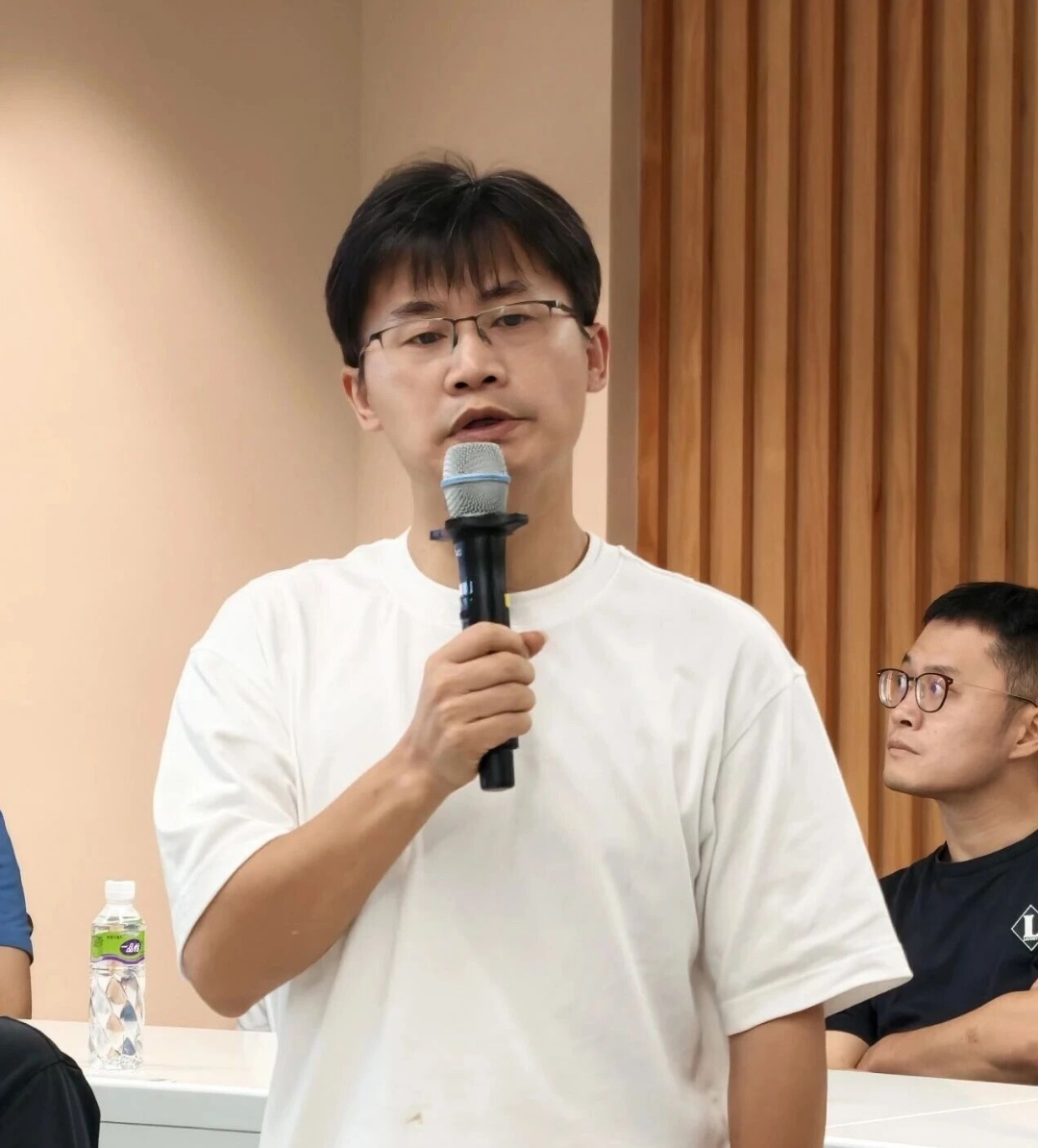
In the exhibition hall, investment institution representatives and Mr. Fan Zhengwei, co-founder and General Manager of Chipierce, discussed the differences between APU architecture and general-purpose GPUs — this is the most authentic snapshot of the AI4M track: computing hardware is iterating, AI agents are evolving, and research service models are being restructured.

The path Chipierce has chosen is: not chasing trends, only building closed loops. From APU chips to intelligent computing servers, from the MaterPlato agent to SwiftMater’s fully directly-operated services, every step lands on the specific and granular anchor of “atomic-level scientific computing.”
Good research tools should give more people the opportunity to touch the boundaries of materials science.
Chipierce is quietly shortening this path with its “Ternary Integration” closed-loop ecosystem,making research computing consumption transparent, affordable, and reliable.