Key Takeaways:
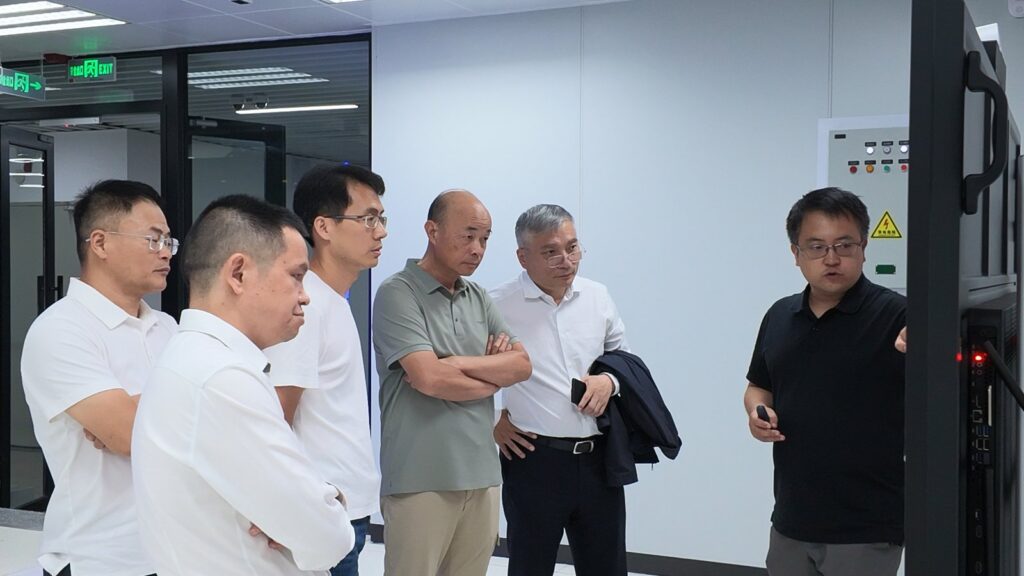
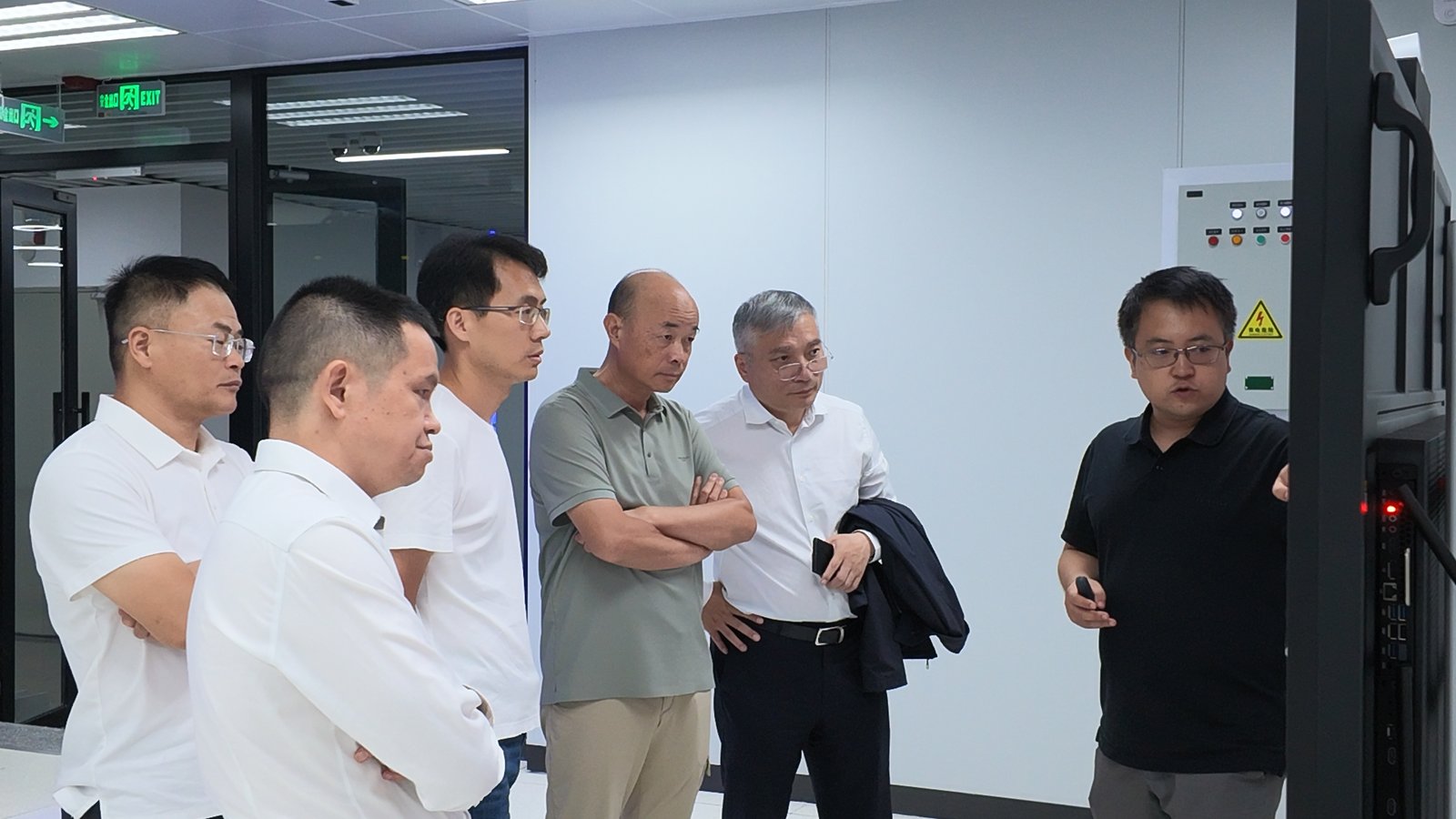
- On August 26, Guangdong investment figures including Jiang Zuoliang, Ma Jun, He Kuanhua and Shen Yong visited the Chipierce joint-venture Hexi Atomic Computing Center to see its atomistic scientific computing infrastructure firsthand.
- The center's core hardware is Hexi-architecture servers equipped with Chipierce's self-developed APUs, using a dedicated non-von Neumann architecture for atomistic computing such as MD, DFT and MLMD.
- According to the article, in typical atomistic scientific computing scenarios, APUs can achieve a 1–3 orders of magnitude speedup and a 1–2 orders of magnitude reduction in energy consumption compared with traditional CPU/GPU.
- Chipierce showcased a three-part closed loop comprising the MaterHaven super terminal, the MaterPlato agent and the SwiftMater direct sales team, covering hardware, simulation tools and computing services.
- The company enters AI4M through dedicated scenarios, dedicated architecture and dedicated services, aiming to drive materials R&D from empirical trial and error to computation-driven development.
On August 26, Chipierce hosted a deep dialogue between technology and capital.
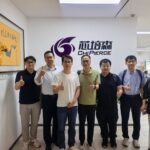
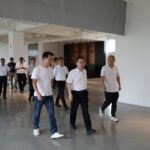
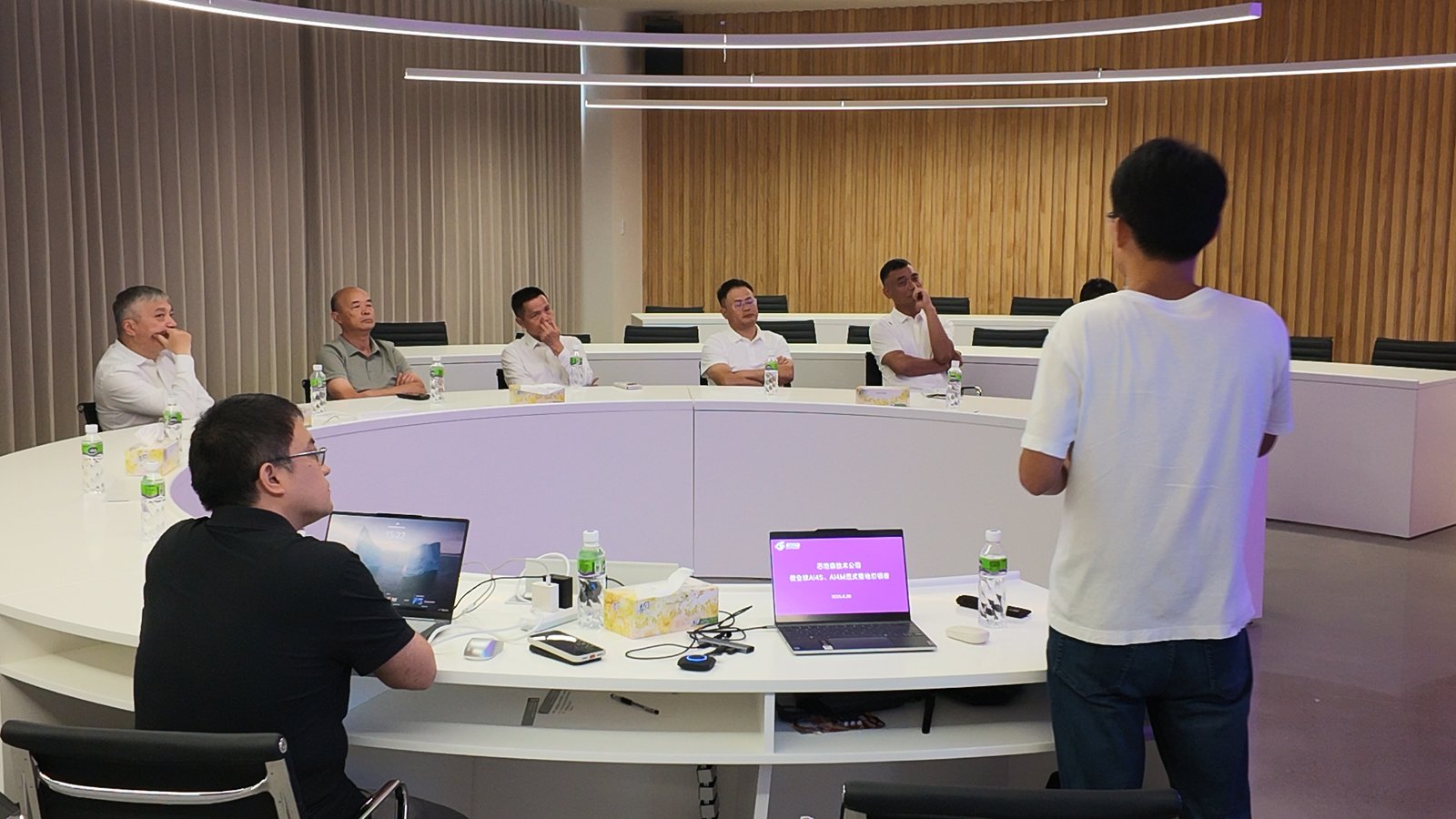
Jiang Zuoliang, founder of Huizheng Investment; Ma Jun, executive vice president of E Fund; He Kuanhua, chairman of GF Qianhe; and renowned investor Shen Yong—heavyweights from Guangdong’s investment circle—gathered at the Hexi Atomistic Intelligent Computing Center, a joint venture of Chipierce, to tour this large-scale computing infrastructure dedicated to atomistic scientific computing.
On site, Mr. Fan Zhengwei, co-founder and general manager of Chipierce, gave guests an in-depth briefing on Chipierce’s tripartite closed-loop ecosystem strategy for materials R&D: “super terminal (Chipierce · MaterHaven) + agent (Chipierce · MaterPlato) + computing solutions (Chipierce · SwiftMater).”
This closed-loop ecosystem, built on self-developed APU computing units, drew investors’ focused attention to the value of technology deployment in the AI4M (AI for Materials) field.
Chipierce APU:
Breaking the Atomistic Computing Bottleneck
Unlike the general-purpose AI training clusters common on the market, the core hardware advantage of the Hexi Atomistic Intelligent Computing Center, a joint venture of Chipierce, comes from Hexi-architecture servers equipped with Chipierce APU (Atomistic Processing Unit).
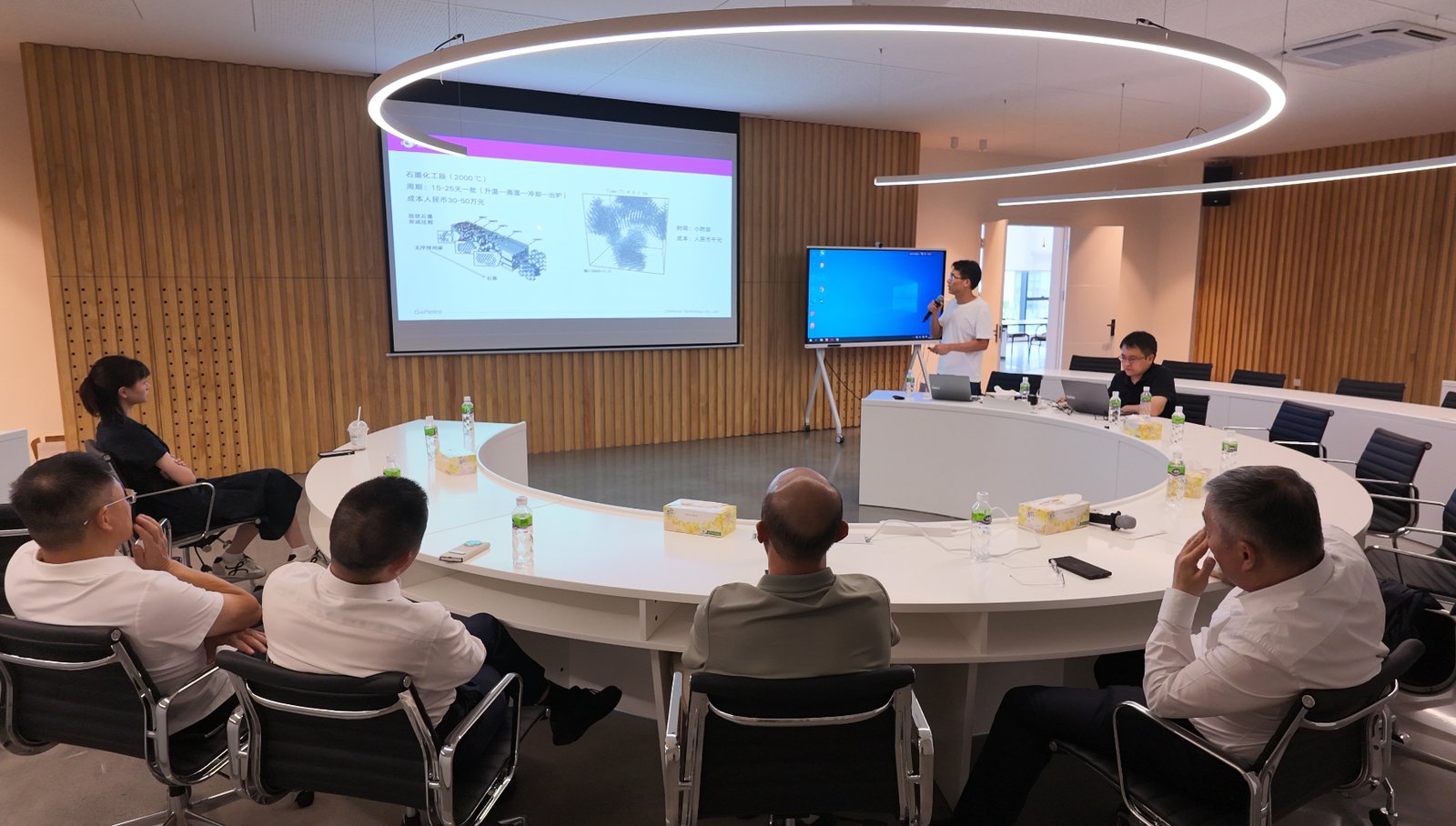
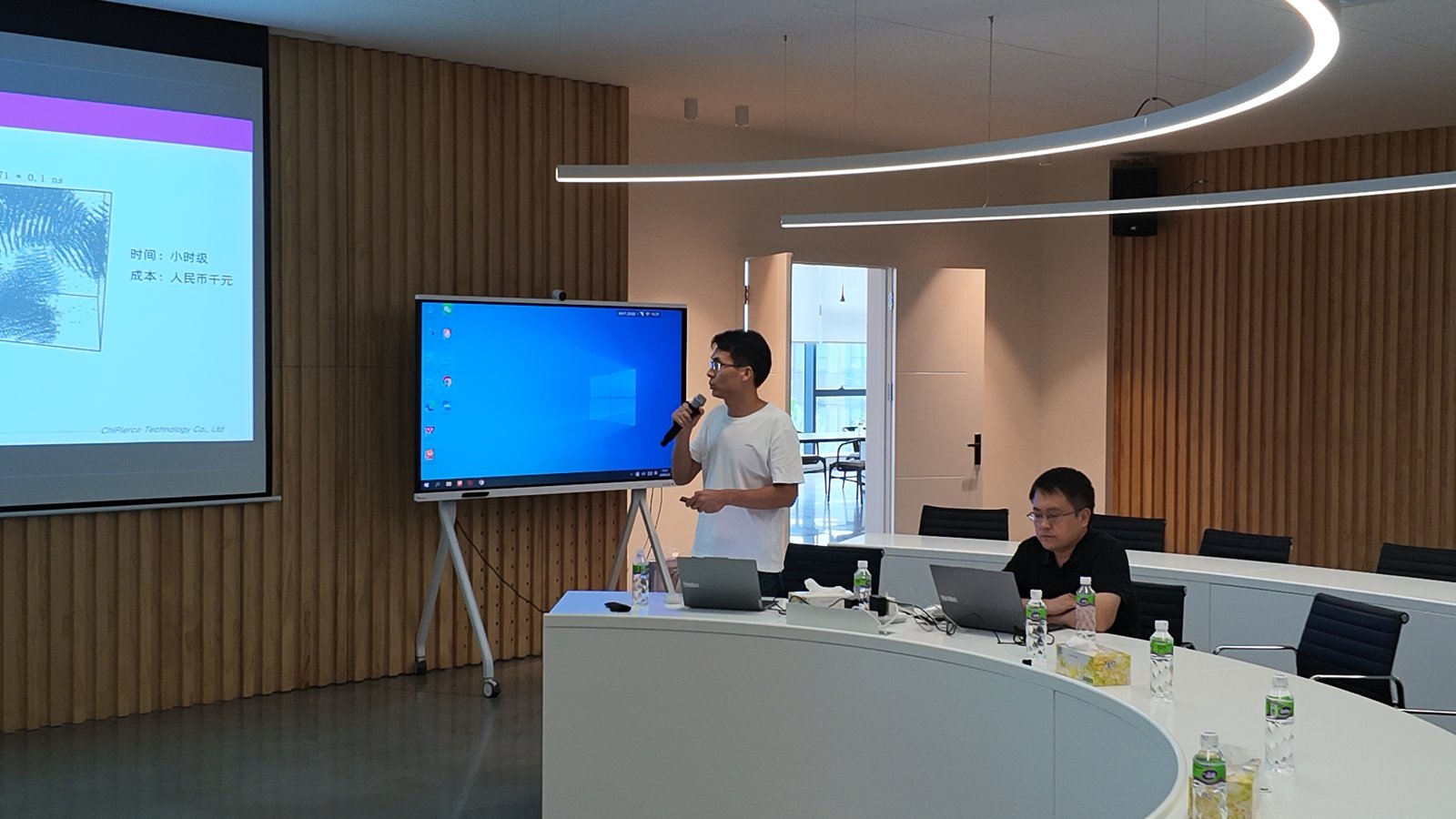
In the R&D of key materials for new energy, semiconductors, and beyond, traditional CPU/GPU has long faced the “memory wall” and “power wall,” making large-system atomistic simulation difficult to implement.
Chipierce APU, however, adopts a proprietary non-von Neumann dedicated chip architecture, rebuilding the underlying logic specifically for the computational characteristics of atomistic simulation such as molecular dynamics (MD) and density functional theory (DFT).
Measured data shows that in typical atomistic scientific computing scenarios such as machine learning molecular dynamics (MLMD) and DFT, compared with traditional CPU/GPU, the APU achieves a 1–3 order-of-magnitude increase in computing speed and a 1–2 order-of-magnitude reduction in energy consumption, offering new possibilities for efficient computing power in large-system atomistic simulation.
Tripartite Closed Loop:
Solving the Industry Pain Points of “Slow and Unaffordable Computing”
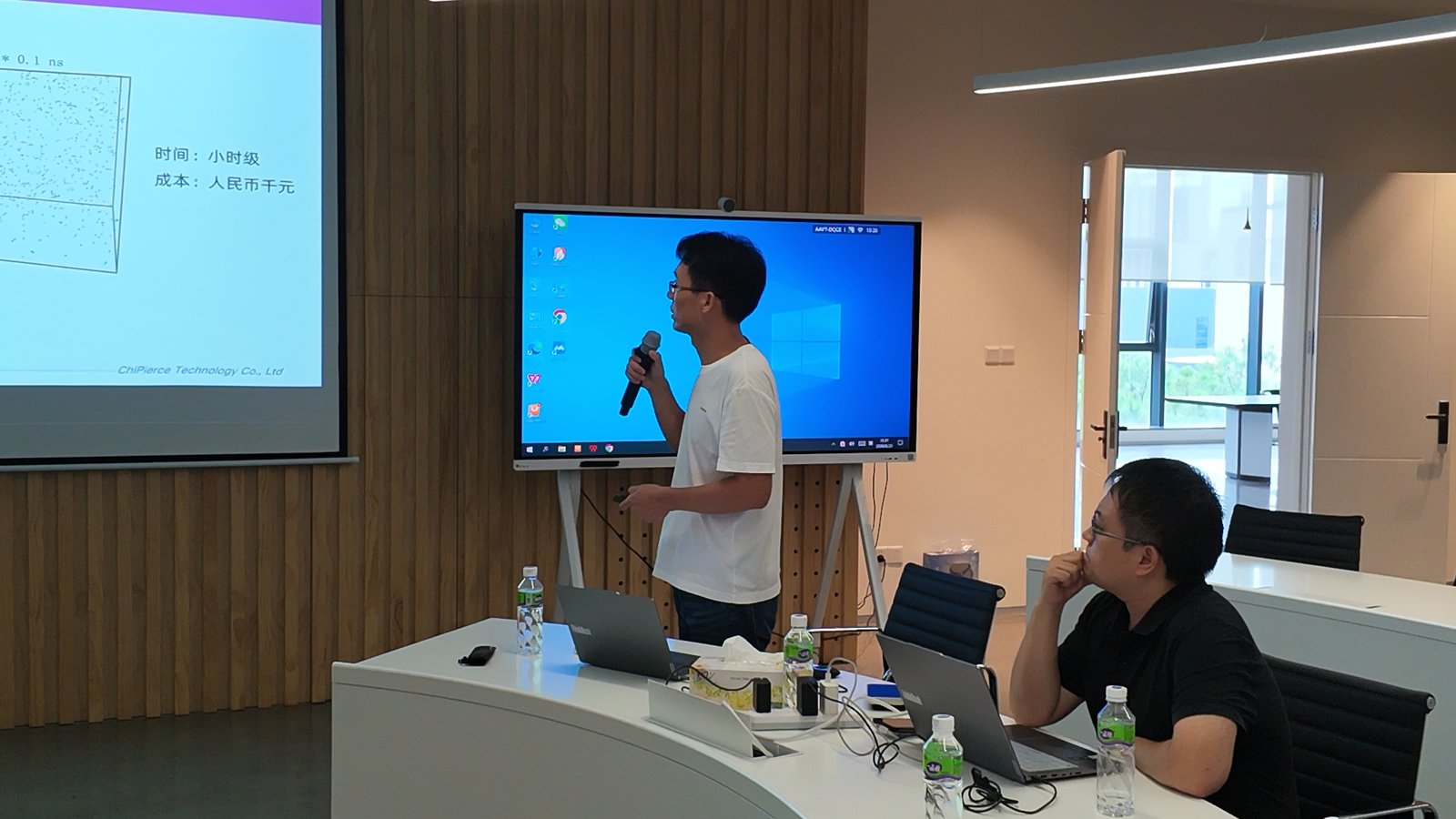
Faced with the market chaos of layered subcontracting in materials computing services and questionable data reliability, Chipierce offers its own answer—”Chipierce · MaterHaven super terminal (with built-in APU chip) + Chipierce · MaterPlato agent + Chipierce · SwiftMater direct-operated team.”
Backed by the hardware of the Chipierce · MaterHaven super terminal, the MaterPlato materials R&D agent simplifies complex simulation workflows and lowers the barrier to use; together with the SwiftMater full-time direct-operated master’s and doctoral team ensuring delivery quality, it truly resolves researchers’ dilemma of “slow computing, unreliable data, and unaffordable computing.”
Capital Perspective:
The Differentiated Value of Dedicated Computing Infrastructure
After the site tour, guests and Mr. Fan Zhengwei engaged in in-depth exchanges on the development of the AI for Science industry and the building of computing power for new materials.
As the global market penetration of AI for Science continues to rise, the value of dedicated scientific computing infrastructure is drawing close attention.
Through a differentiated path of “dedicated scenarios + dedicated architecture + dedicated services,” Chipierce provides a reference model for the paradigm shift in materials R&D from “empirical trial and error” to “computation-driven.”
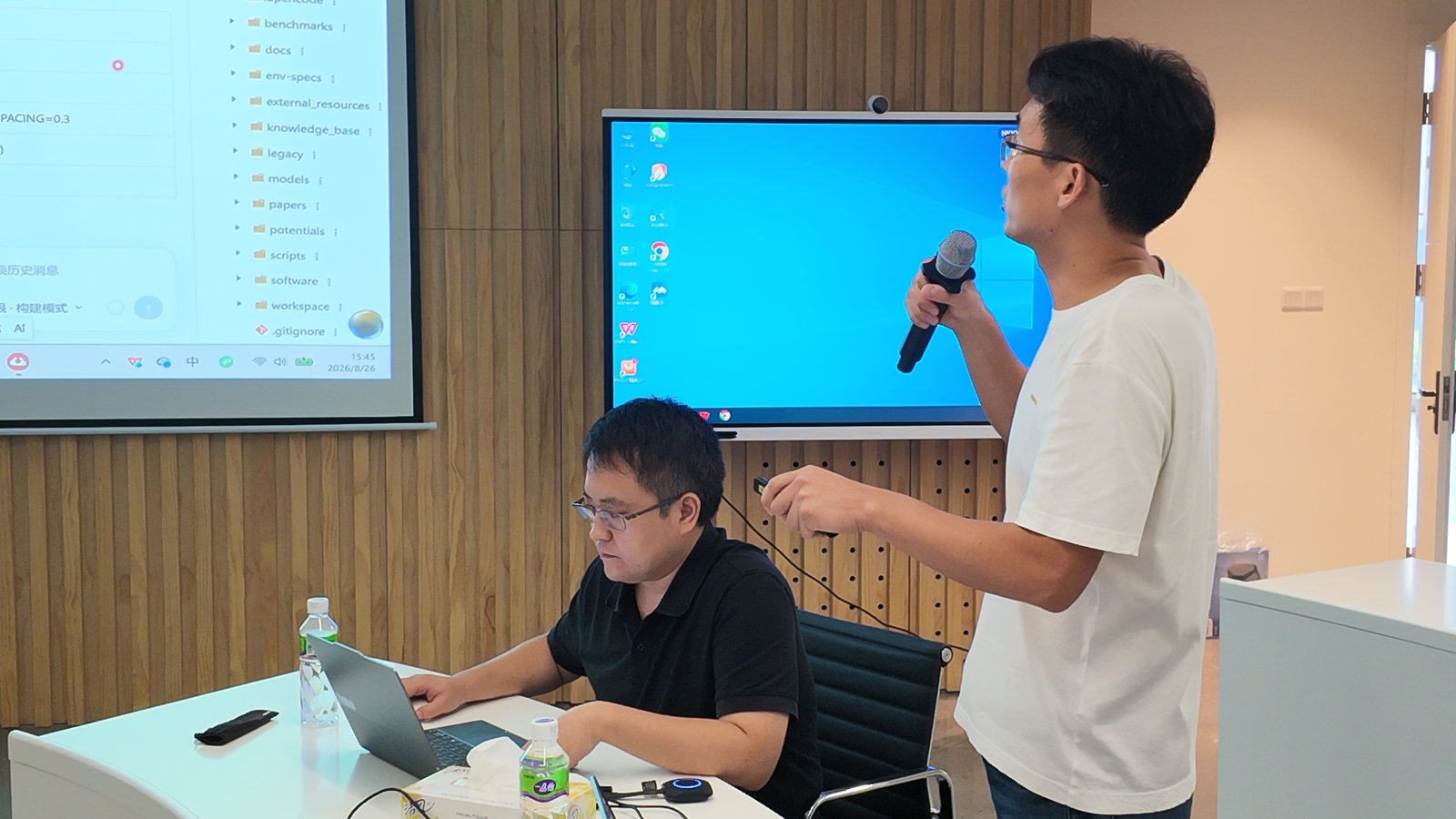
It is worth noting that Mr. Fan Zhengwei himself came from the investment system, having long conducted research and investment in the technology sector at trillion-yuan fund platforms, before ultimately choosing to devote himself fully to hard-tech entrepreneurship.
This “investor-turned-entrepreneur” background gives Chipierce both industrial depth and capital vision from its very founding, and makes it better able to understand investment institutions’ threefold scrutiny of technological barriers, business paths, and team execution.
As the new generation of APU computing units steadily advances, Chipierce is attracting growing attention from industry and capital alike with its distinctive hard-tech positioning.
From dedicated computing power to intelligent tools, and then to research services, Chipierce is exploring a vertical deployment path for AI4M.