Key Takeaways:
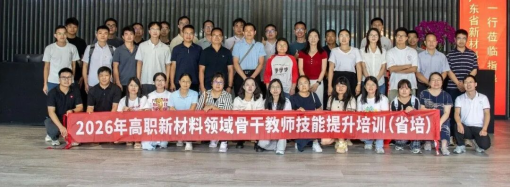
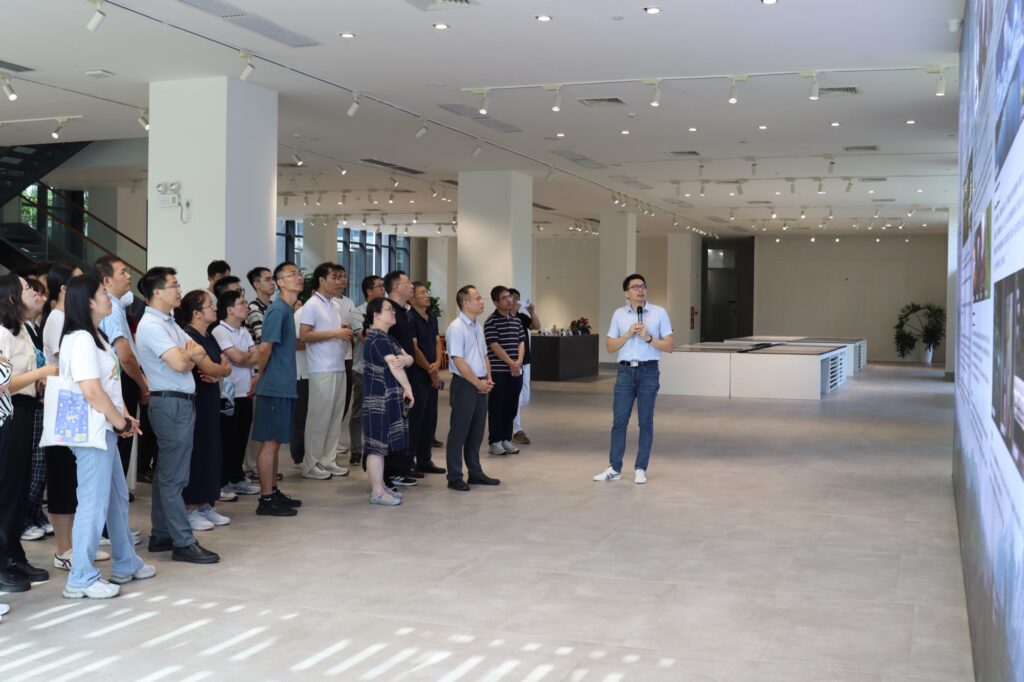
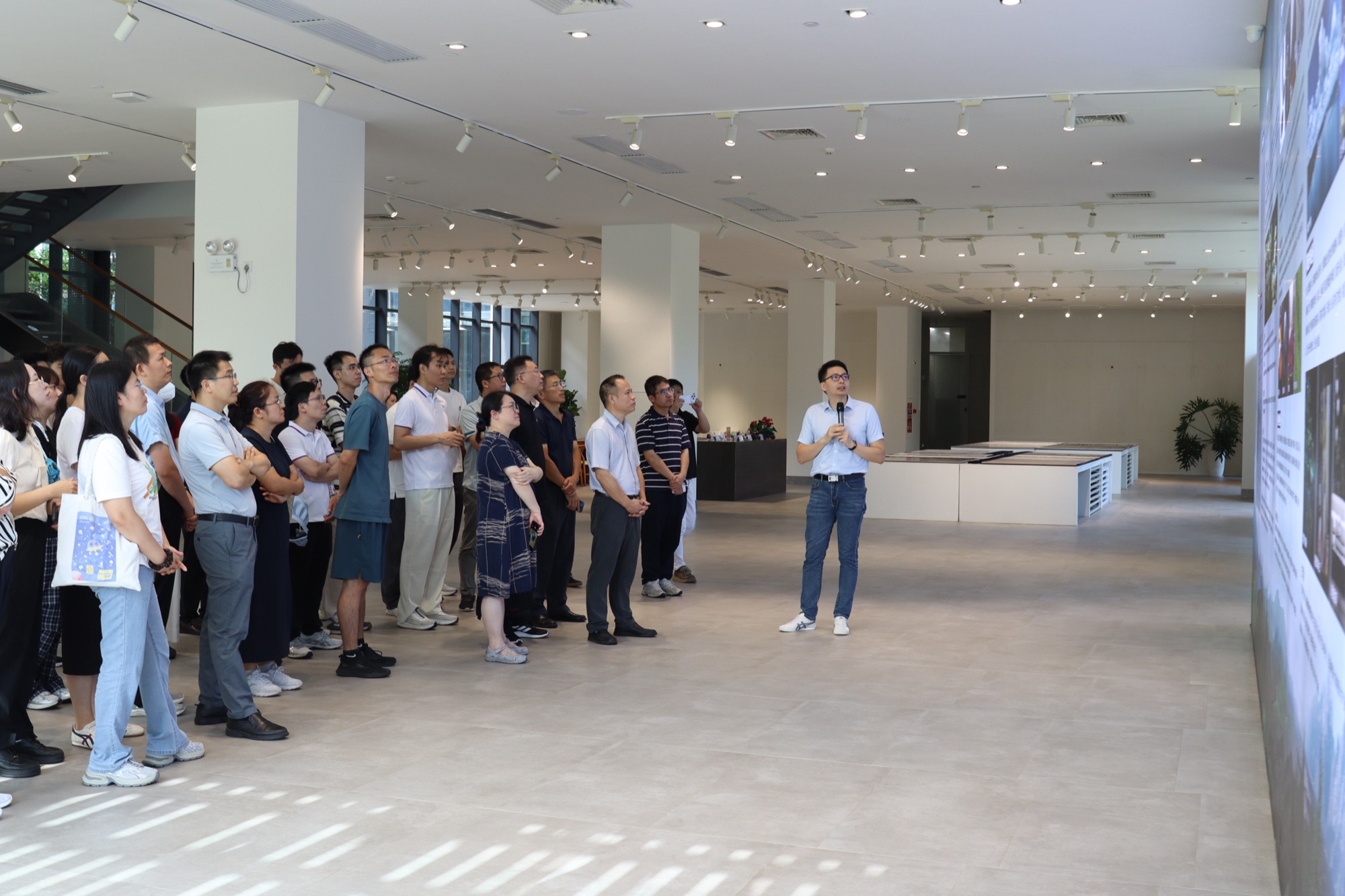
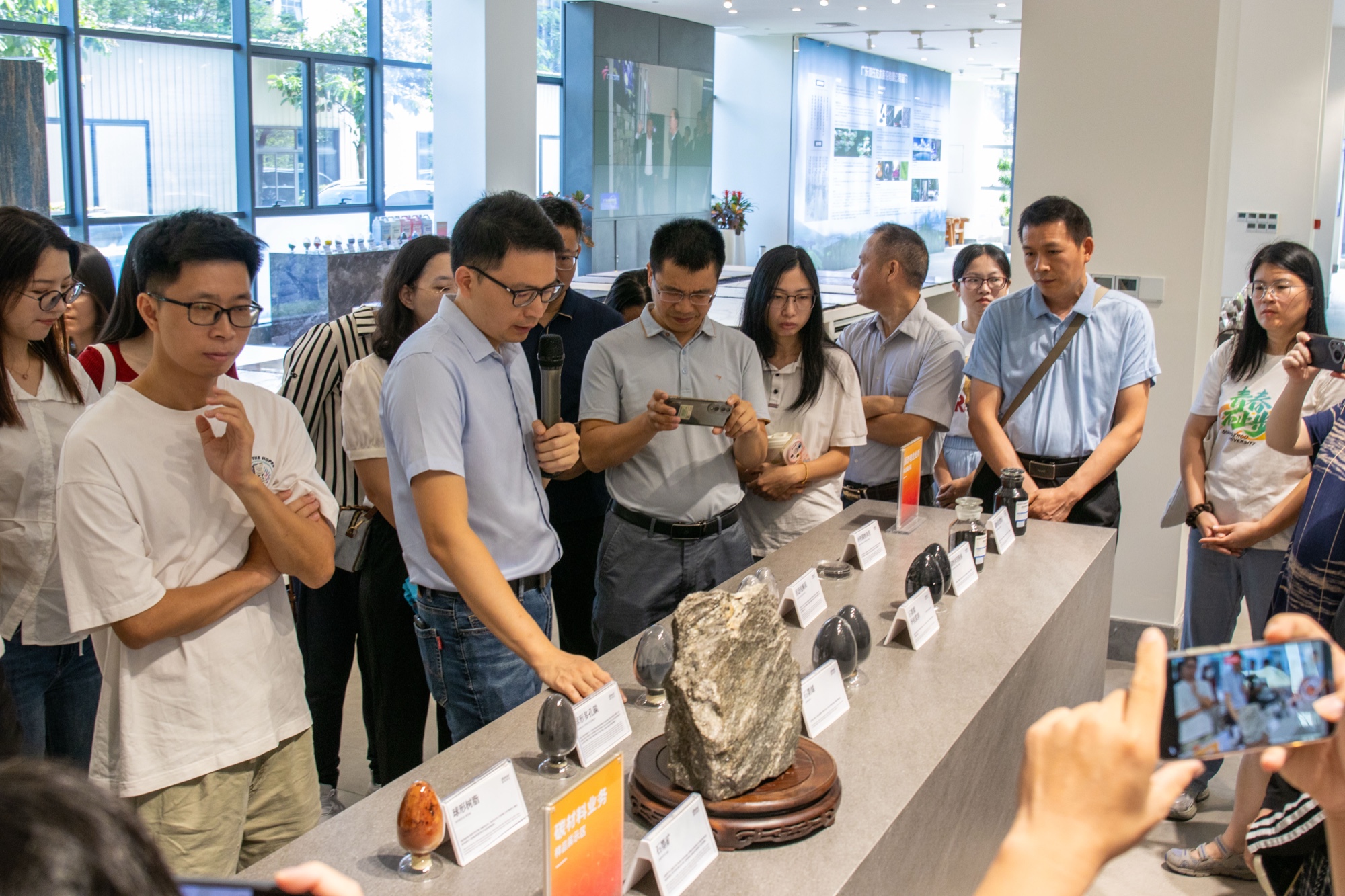
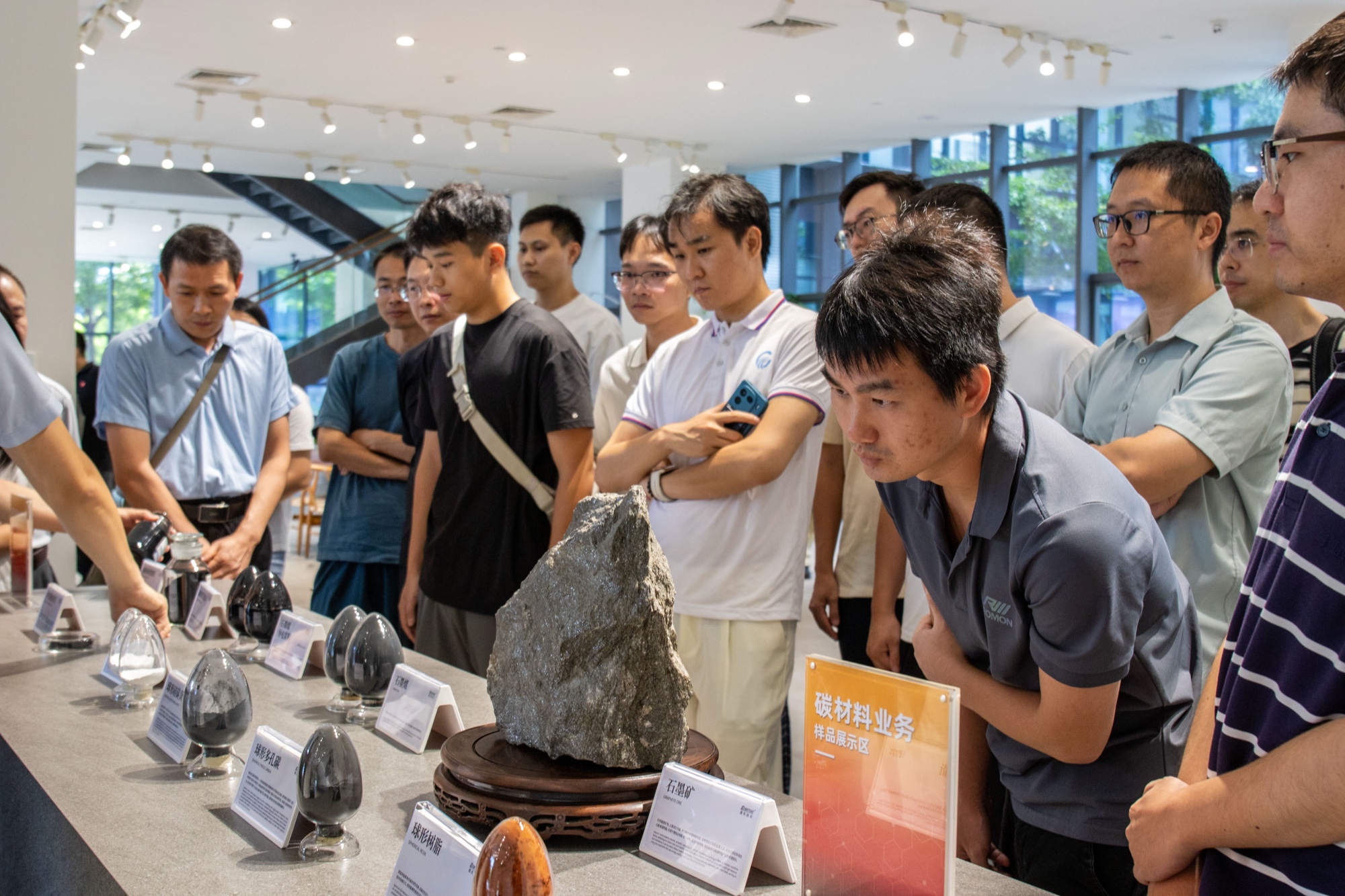
- On August 19, 2026, participants of the Guangdong Province University New Materials Field Key Teacher Skills Enhancement Training Program visited the Chipierce joint-venture Hexi Intelligent Computing Center.
- The Hexi Intelligent Computing Center has completed the deployment of 100 servers, each equipped with Chipierce's self-developed APU chips, providing computing power for key materials R&D and vertical AI models.
- Chipierce states that its APU is architecturally redesigned for atomic simulation, achieving a 1 to 3 orders of magnitude speedup in atomic-level computing such as MLMD and DFT compared with CPU/GPU, reducing energy consumption by 2 to 3 orders of magnitude, and supporting tens of hours of uninterrupted first-principles-accuracy simulation at the hundred-million-atom scale.
- Chipierce has launched the MaterPlato agent, covering workflows such as intelligent parameter optimization, automated modeling, error prediction, and assisted post-processing.
- In terms of service model, Chipierce uses a full-time master's and doctoral technical team to connect directly with university PIs and corporate R&D groups, eliminating multi-layer subcontracting, and has established three-tier quality control and legal-grade compensation guarantees.
On August 19, 2026, at the Chipierce joint-venture Hexi Intelligent Computing Center.
Trainees of the Guangdong Provincial University New Materials Field Backbone Teacher Skills Enhancement Training Program gathered here. They not only inspected the computing cluster, but also engaged in lively discussion around a future taking shape: when AI and materials R&D deeply converge, the paradigm of materials discovery will no longer be mere trial and error—it will be empowered by intelligence.
The subtext of this visit is a response to an epochal question—when computing power is greatly enhanced, does the imagination of research efficiency still have a ceiling?
Computing power is not a backdrop—it is the protagonist
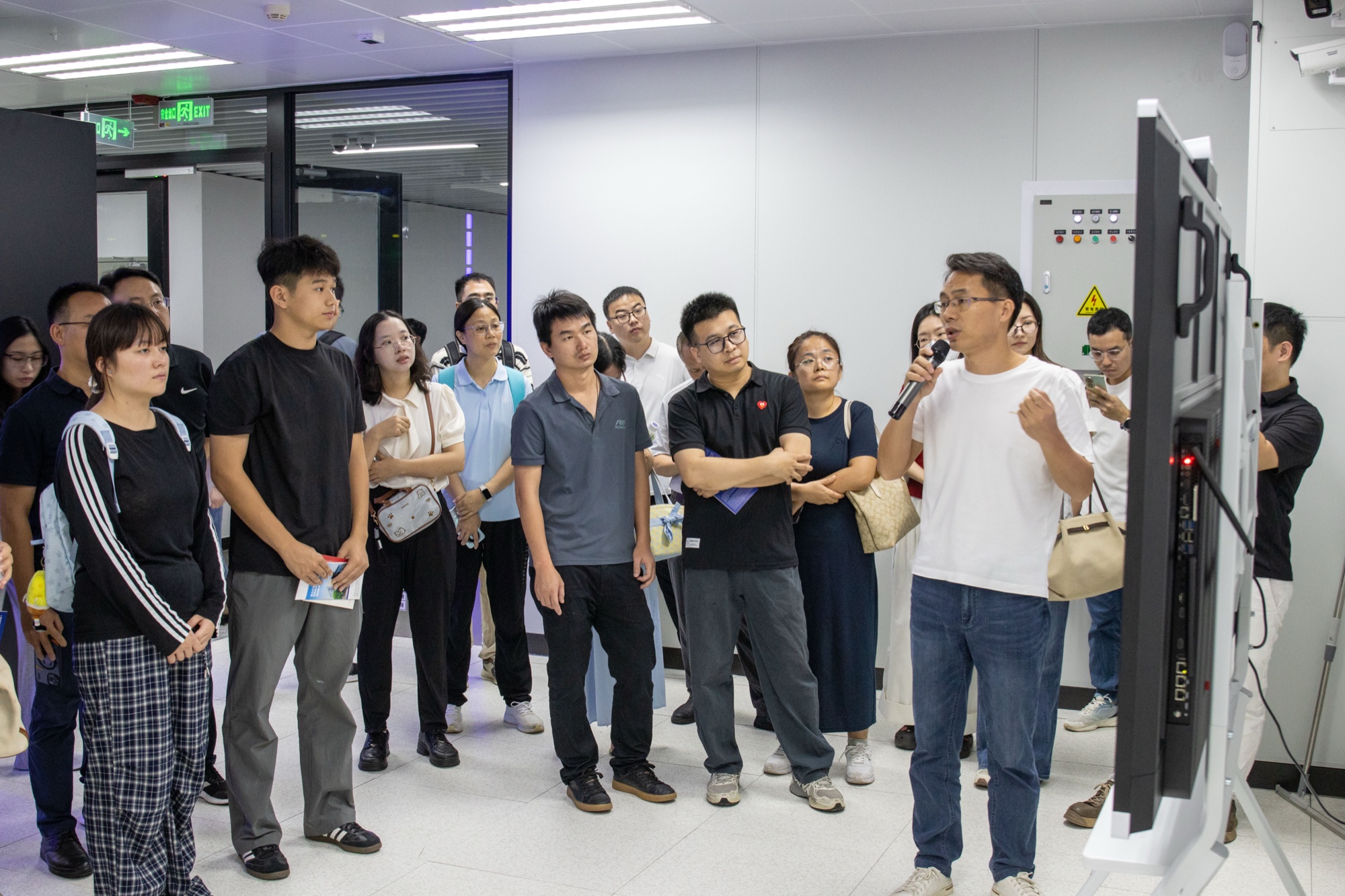
At the Chipierce joint-venture Hexi Intelligent Computing Center, Hexi servers stand in neat array, running efficiently.
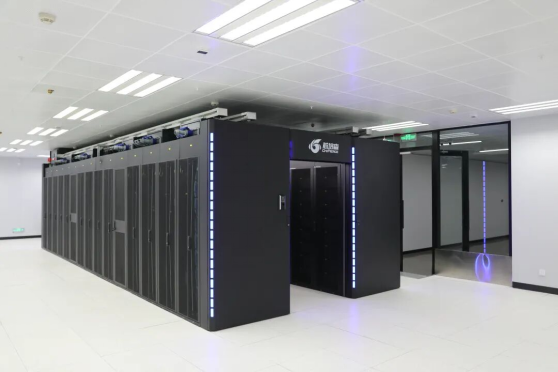
The trainees paused before the racks and saw not cold metal boxes, but a computing system reconstructing the underlying logic of materials R&D.
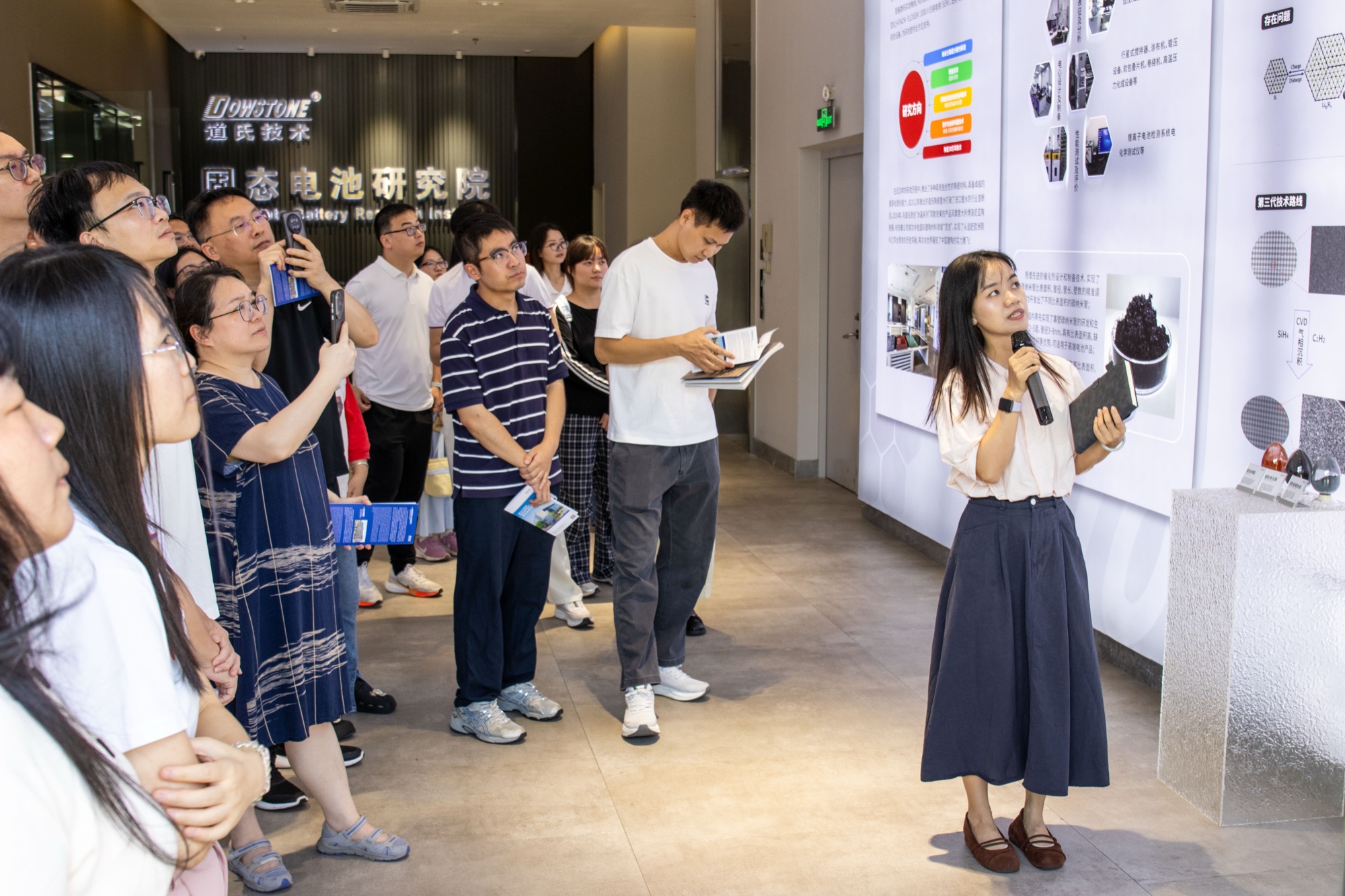
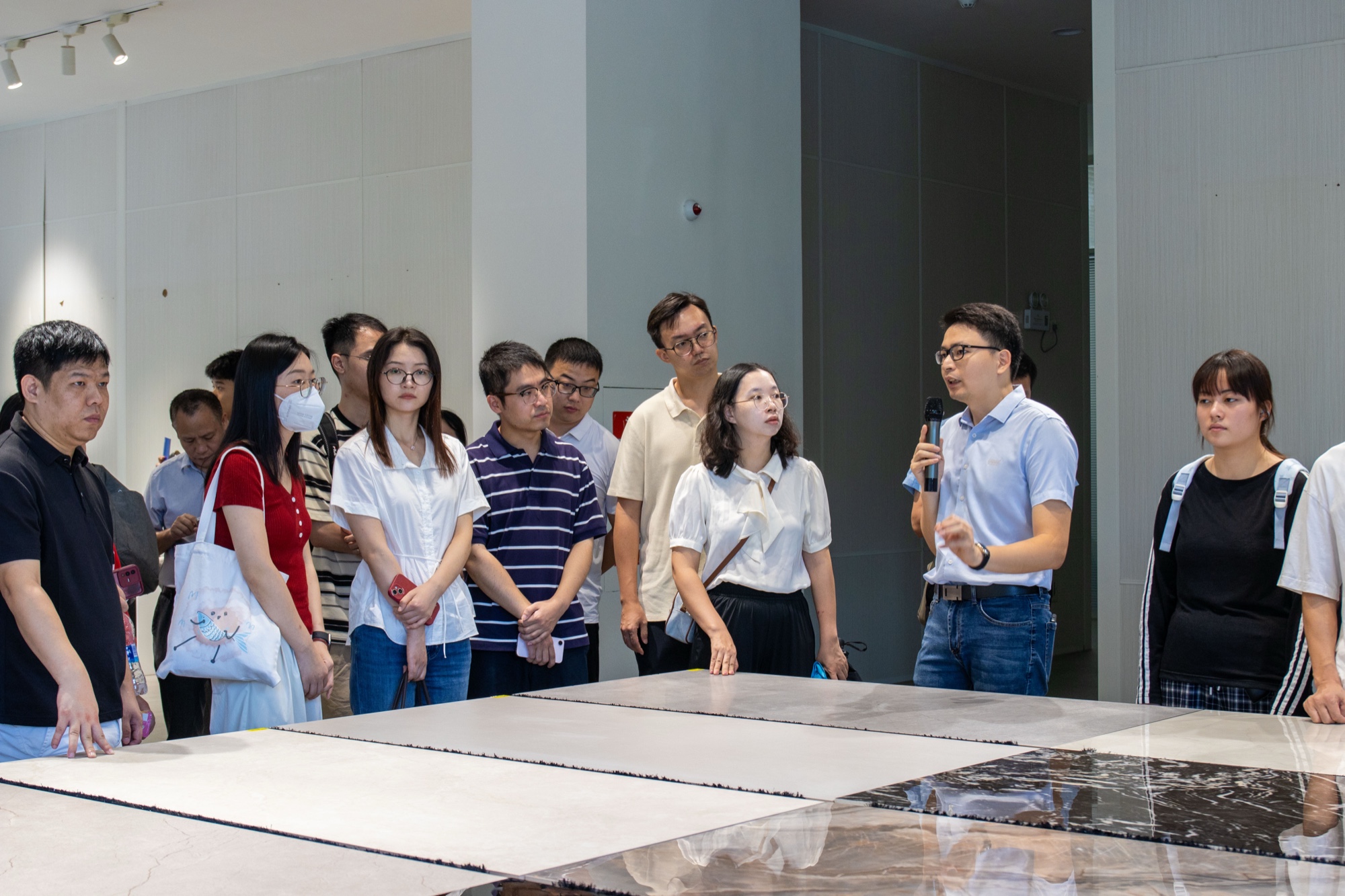
Deployment of 100 servers has been completed here, and they will soon be officially put into operation.Each server is equipped with Chipierce’s self-developed APU chip, dedicated to providing computing services for critical materials R&D, and delivering high-quality computational data support for vertical AI models.
Simulation scales once forced to “shrink” due to limited computing power now gain the capacity for sustained computation of large systems here.
Trinity in One: Chipierce’s “Full-Stack Answer”
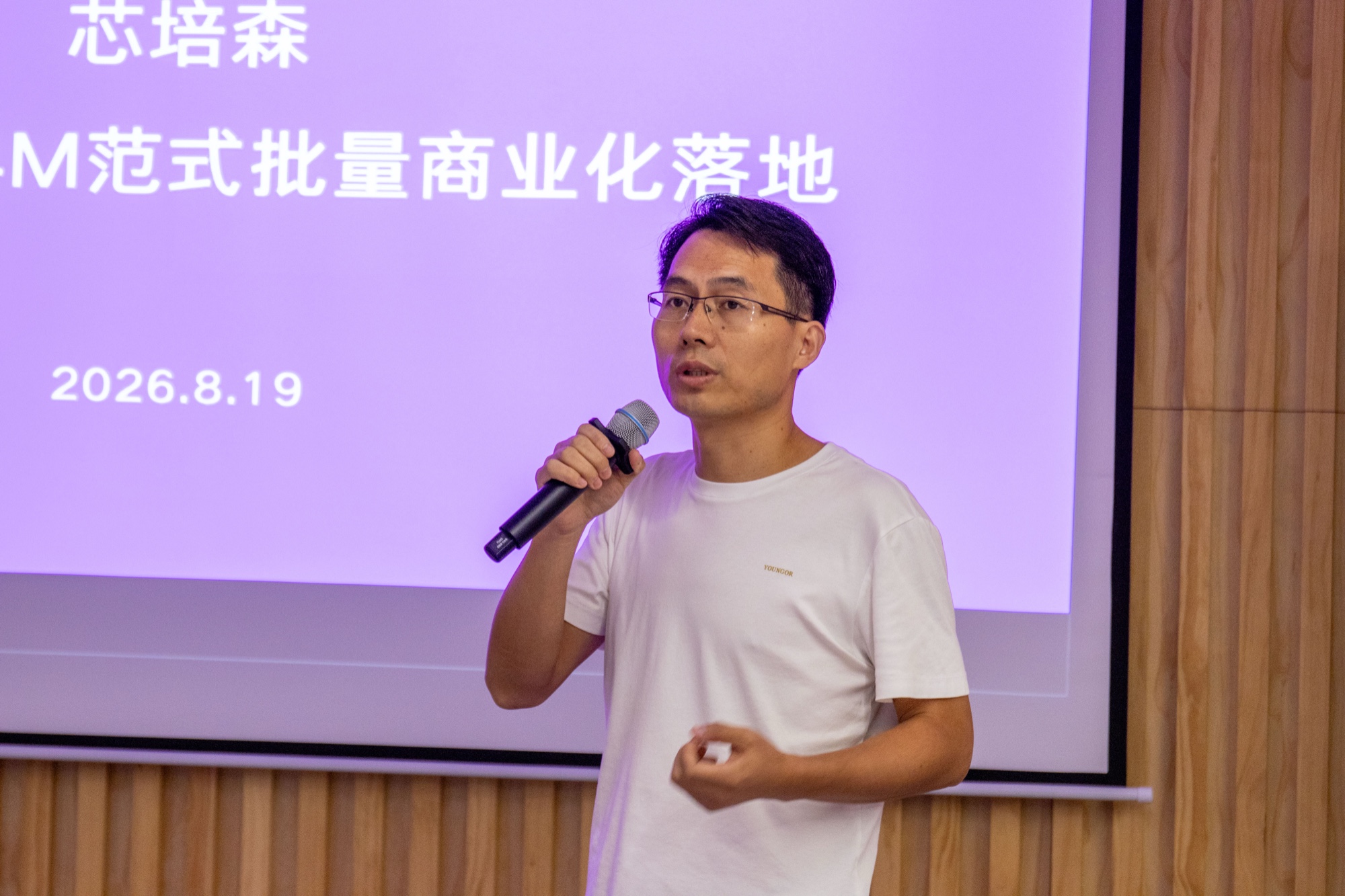
After the tour, Mr. Fan Zhengwei, co-founder and general manager of Chipierce, fully unfolded the strategic logic behind the Hexi Intelligent Computing Center in an in-depth sharing session.
If materials R&D is likened to a production process, then computing servers and agents are the means of production, and the advantages of the means of production will translate into production efficiency.
Currently, the vast majority of computing service providers still run materials calculations on general-purpose CPUs and GPUs—like driving a truck on an F1 track: hardware and scenario mismatched, computing utilization low.
Chipierce’s APU server solution is a ground-up reconstruction: redesigning the architecture around the computational characteristics of atomic simulation, directly breaking through the memory wall and power wall bottlenecks.
The result: atomic-scale scientific computing such as MLMD and density functional theory DFT achieves speed improvements of 1–3 orders of magnitude over CPU/GPU, with energy consumption reduced by 2–3 orders of magnitude.
More critically, it also supports tens of hours of uninterrupted first-principles-accuracy simulation at the hundred-million-atom scale, making previously untouchable large-system problems conquerable.
During the event, Mr. Fan Zhengwei also introduced Chipierce’s MaterPlato agent. In the traditional surrogate computing model, researchers spend much of their time on manual modeling, repeated parameter tuning, and troubleshooting errors.
MaterPlato automates the entire workflow: intelligent parameter optimization, automatic modeling, error prediction, and assisted post-processing in one seamless flow. This system also continuously learns from every real project, forming a growth flywheel of “computing power produces data, data trains models, models feed back into efficiency.”
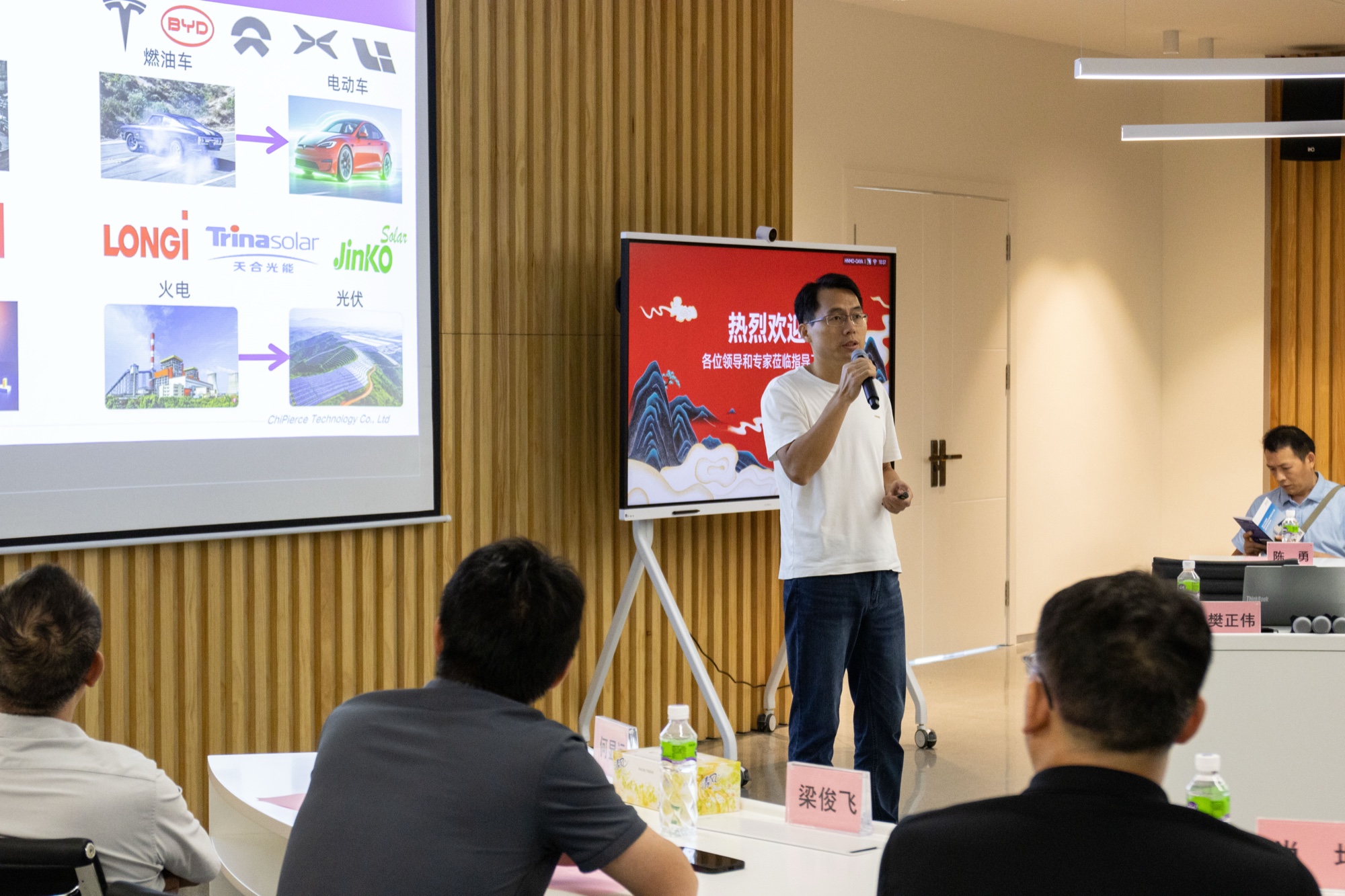
But there is still a hidden pain point in the industry chain—production relations.
Currently, the multi-layer subcontracting intermediary model prevalent in the industry makes research computing consumption neither transparent nor reliable.
Chipierce’s choice is—a full-time, fully staffed team of master’s and doctoral technical experts, from the first mile to the last mile, directly connecting with university PIs and corporate R&D groups, eliminating all intermediary markup.
A three-tier quality control system plus legal-grade compensation guaranteesmake “on time, accurate, traceable” a standard configuration rather than a promise.
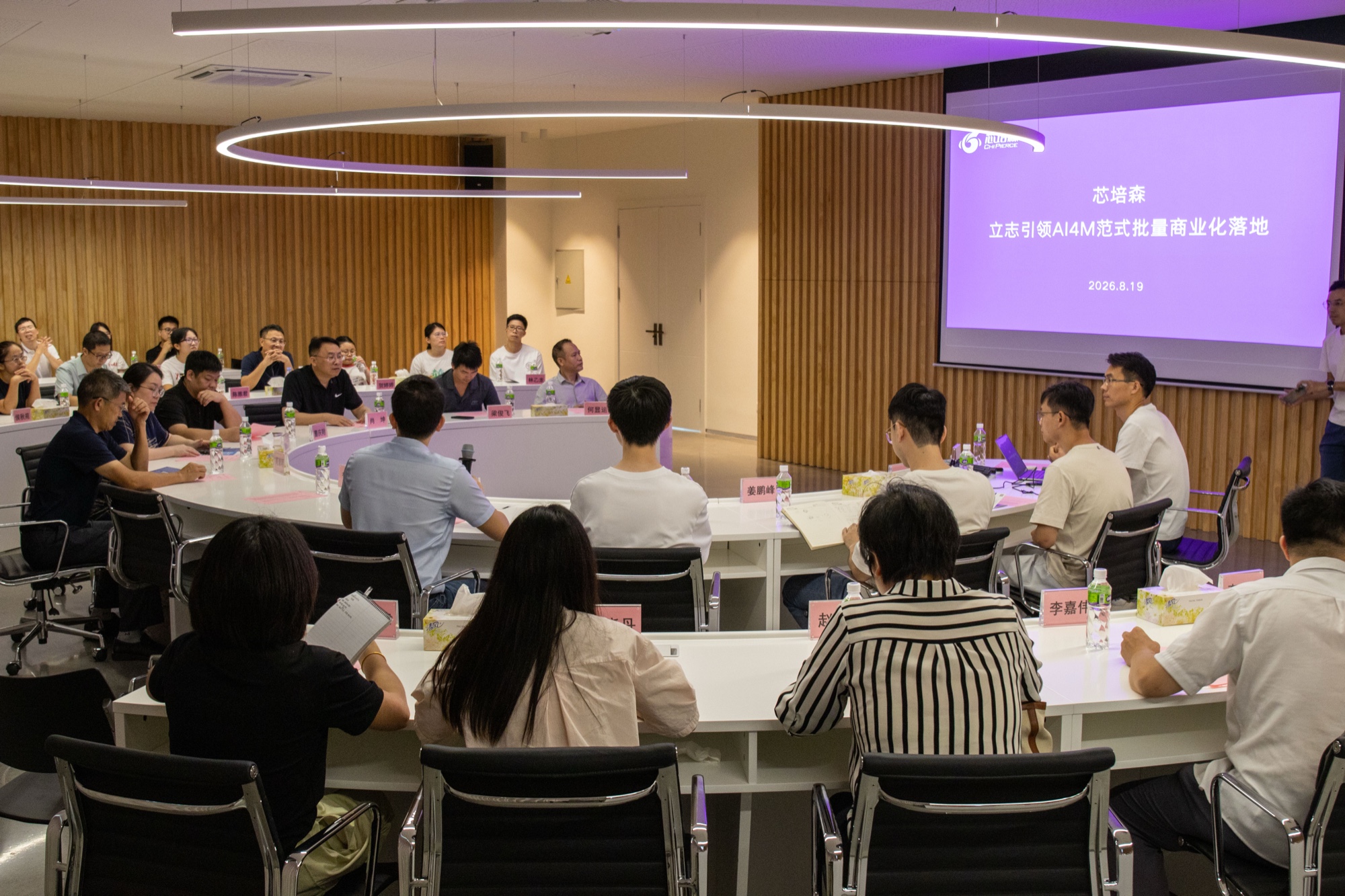
At the intersection of research and industry the exchange session was exceptionally lively.
Trainees of the Guangdong Provincial University New Materials Field Backbone Teacher Skills Enhancement Training Program and Mr. Fan Zhengwei, co-founder and general manager of Chipierce, focused their discussion on the progress of the Chipierce joint-venture Hexi Intelligent Computing Center, the core functions of the MaterPlato agent, and the future development trends of AI4M.
Behind the questions lies a discussion about a new possibility: when researchers are liberated from cumbersome computational workflows, where will they direct the edge of their intelligence?
Chipierce’s choice isto use a “trinity in one” closed-loop ecosystem to pave the path to the place closest to the problem, letting research return to research itself.